
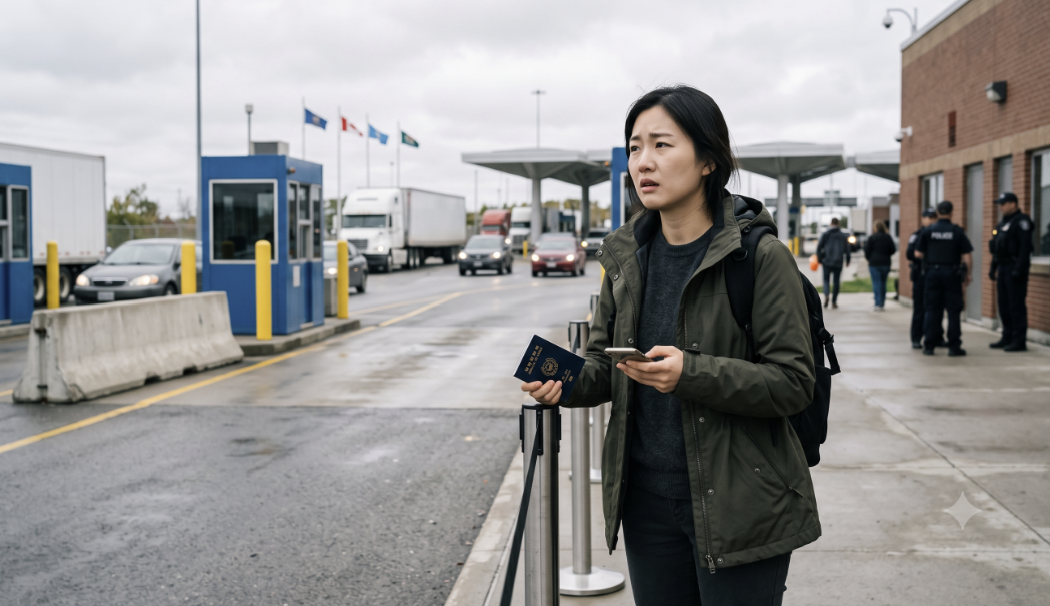
“그때는 별일 아니라고 생각했습니다.”
캐나다 이민 관련 상담에서 종종 듣게 되는 말입니다.
몇 년 전에 국경에서 잠깐 문제가 있었지만 별도의 정식 거절서류를 받지 않았고, 이후 신청해 두었던 Work Permit도 정상적으로 승인되었습니다. 그 뒤 캐나다를 출입국하면서 별도의 문제를 지적받은 적도 없었습니다.
그러다 몇 년 뒤 캐나다를 다시 방문하기 위해 eTA(Electronic Travel Authorization)를 신청했습니다.
신청인은 과거 visa 또는 permit refusal, denied entry, ordered to leave와 관련된 질문을 보고 자신에게 해당되지 않는다고 생각해 `No`라고 답했습니다.
그런데 이후 IRCC에서 Procedural Fairness Letter(PFL)가 발행되었습니다.
문제가 된 것은 바로 그 과거 이력에 대한 답변이었습니다.
이번 사례는 아직 PFL 대응이 진행 중인 사건이며 최종 결과가 나오지 않았습니다. 따라서 이 글에서는 승인이나 거절 결과를 이야기하려는 것이 아닙니다.
오히려 이 사례를 통해 말씀드리고 싶은 것은 하나입니다.
본인이 “별일 아니었다”고 생각한 과거의 국경 기록이나 이전 이민절차가 IRCC 기록에서도 아무 문제가 없는 것으로 분류되어 있다고 단정해서는 안 된다는 것입니다.
개인정보 보호를 위해 신청인의 이름, 직업, 고용주, 정확한 지역, 국경 이름, 구체적인 이동경로와 일부 시기는 일반화하거나 생략했습니다.
공식 참고자료
- Justice Laws Website — Immigration and Refugee Protection Act, section 40: Misrepresentation
- Immigration, Refugees and Citizenship Canada — Consequences of immigration and citizenship fraud
- Immigration, Refugees and Citizenship Canada — Electronic travel authorization (eTA): Who can apply
몇 년 전 국경에서 있었던 일을 왜 다시 문제 삼을까요?
이 사례의 신청인은 과거 캐나다에서 체류하던 중 Work Permit 절차를 진행했습니다.
신청 과정에서 육로 국경을 방문했고, 당시 국경에서 기대했던 Work Permit을 바로 발급받지 못했습니다. 또한 일정 기간 안에 캐나다를 떠나야 한다는 취지의 안내를 받은 것으로 기억하고 있었습니다.
그러나 별도의 formal refusal letter나 removal order를 받은 기억은 없었습니다.
더 중요한 것은 그 이후였습니다.
기존에 온라인으로 진행 중이던 Work Permit 신청이 얼마 지나지 않아 승인되었습니다.
신청인은 이후 정식 Work Permit을 가지고 캐나다에서 생활했고, 해외를 오간 뒤 캐나다에 다시 입국하는 과정에서도 별도의 문제 제기를 받지 않았다고 설명했습니다.
그래서 당시 신청인 입장에서는 자연스럽게 이렇게 받아들였습니다.
“국경에서는 그날 permit을 못 받았지만, 온라인 신청이 결국 승인됐으니 문제는 끝난 것이다.”
일반 신청인이 그렇게 이해하는 것 자체가 이상한 일은 아닐 수 있습니다.
하지만 이민 신청서를 작성할 때 중요한 것은 단순히 내가 그 사건을 어떻게 이해했는지만이 아닙니다.
CBSA나 IRCC 내부 기록에는 당시 사건이 어떻게 기록되어 있는지, 그리고 새로운 신청서의 질문이 그 기록까지 포함하는 의미인지 확인해야 할 수 있습니다.
eTA의 체크박스 하나가 왜 이렇게 중요해졌을까요?
몇 년 뒤 신청인은 캐나다에 있는 가족을 단기간 방문하기 위해 eTA를 직접 신청했습니다.
eTA는 온라인으로 비교적 간단하게 신청할 수 있기 때문에 많은 분들이 일반적인 여행허가 신청 정도로 생각합니다.
IRCC의 eTA 공식 안내에 따르면 eTA는 항공편으로 캐나다에 오는 일정한 외국인에게 필요한 여행 요건이며, eTA가 있다고 해서 캐나다 입국 자체가 보장되는 것도 아닙니다.
문제는 신청서에 포함된 과거 이민 이력 질문이었습니다.
신청인은 과거 국경 사건을 공식적인 refusal이나 denied entry로 인식하지 않았기 때문에 해당 질문에 `No`라고 답했습니다.
하지만 IRCC는 이후 이 답변에 대해 우려를 제기하며 PFL을 발행했습니다.
이 지점이 중요합니다.
신청인이 거짓말을 하려고 했는가와 IRCC가 해당 답변을 법적으로 어떻게 평가하는가는 반드시 같은 문제가 아닙니다.
IRPA section 40은 단순히 위조서류만을 대상으로 하는 조항이 아닙니다.
법률상 material fact를 직접 또는 간접적으로 misrepresent하거나 withholding하여 Immigration and Refugee Protection Act의 집행에서 오류를 유발했거나 유발할 수 있는 경우가 문제가 될 수 있습니다.
현재 법률 조문은 Justice Laws Website의 IRPA section 40에서 직접 확인할 수 있습니다.
따라서 “고의로 속이려고 한 것은 아니었으니까 괜찮겠지”라고 생각해서 PFL을 가볍게 대응해서는 안 됩니다.
반대로 단순한 오타나 모든 착오가 자동으로 misrepresentation이 된다고 단정해서도 안 됩니다.
결국 PFL에서 제기된 우려와 당시 사실관계, 질문의 내용, 과거 정부기록 및 현재 제출된 설명을 함께 검토해야 합니다.
5년 ban 이야기가 왜 나오는 것일까요?
Misrepresentation 문제가 특히 serious한 이유는 그 결과 때문입니다.
IRPA section 40(2)(a)는 misrepresentation으로 inadmissibility가 최종 판단되는 경우, 해외에서 결정된 사건의 경우 해당 final determination 이후 5년 동안 inadmissible 상태가 계속될 수 있도록 규정하고 있습니다.
법적 기준은 Justice Laws Website의 IRPA section 40에서 확인할 수 있습니다.
IRCC 역시 Consequences of immigration and citizenship fraud에서 허위 또는 잘못된 정보를 제출하는 경우 신청 거절뿐 아니라 최소 5년간 캐나다 입국이 제한되는 등의 심각한 결과가 발생할 수 있다고 안내하고 있습니다.
그렇다고 PFL을 받았다는 사실 자체가 이미 5년 ban이 확정되었다는 뜻은 아닙니다.
바로 그렇기 때문에 PFL이 중요합니다.
PFL은 최종 결정 전에 신청인에게 해당 우려에 대해 설명하고 자료를 제출할 기회가 주어진 단계입니다.
따라서 “어차피 eTA 하나인데 다시 신청하면 되겠지”라는 식으로 넘겨서는 안 됩니다.
현재 문제는 단순히 이번 여행이 늦어질 수 있다는 수준을 넘어, misrepresentation finding이 내려질 것인지 여부와 연결될 수 있기 때문입니다.
“그때 대리인이 하라는 대로 했는데요”라고 하면 괜찮을까요?
이 사례에서 특히 생각해 볼 부분입니다.
과거 Work Permit 절차는 이민업체의 도움을 받아 진행되었고, 국경 방문이나 이후 절차에 대해서도 당시 안내를 받았습니다.
신청인은 이후 Work Permit이 실제로 승인되고 정상적으로 캐나다 생활을 계속할 수 있었기 때문에 과거 문제가 해결된 것으로 이해했습니다.
하지만 몇 년 뒤 eTA는 본인이 직접 신청했고, 과거 이력에 대한 질문 역시 본인의 이해에 따라 직접 답변했습니다.
즉 이 사례를 단순히 “이전 representative가 eTA 신청서를 잘못 작성했다”는 사건으로 설명하는 것은 정확하지 않습니다.
오히려 더 중요한 교훈은 이것입니다.
과거 대리인을 통해 진행했던 사건의 의미를 정확히 이해하지 못한 상태에서, 몇 년 뒤 새로운 신청서를 본인이 작성하면서 과거 기록에 관한 질문을 잘못 해석할 수 있다는 것입니다.
IRCC는 공식 fraud 안내에서 신청인이 자신의 신청서에 포함된 정보에 책임이 있으며, representative가 작성한 경우에도 마찬가지라고 설명하고 있습니다.
따라서 representative를 이용하든 직접 신청하든 중요한 서류는 본인이 보관하고 기본적인 내용을 알고 있어야 합니다.
특히 다음 자료는 가능하면 보관하는 것이 좋습니다.
- 과거 신청서 전체 사본
- 당시 질문과 답변
- refusal 또는 approval 관련 문서
- 국경에서 받은 서류나 여권 도장
- representative와 주고받은 중요한 안내
- 추가자료 제출 기록
- 최종 permit 또는 visa
몇 년 뒤 다른 신청을 할 때 바로 이런 자료가 필요해질 수 있습니다.
별도의 refusal letter가 없으면 “거절된 적 없음”이라고 답해도 될까요?
그렇게 단정하기는 어렵습니다.
이번 사례에서도 신청인은 당시 별도의 refusal letter를 받지 않았다고 기억하고 있었습니다.
그래서 본인은 나중에 eTA를 작성하면서 자신이 formal refusal이나 denied entry를 받은 사람이라고 생각하지 않았습니다.
그러나 현재 PFL에서는 바로 과거 refusal, denied entry 또는 ordered to leave와 관련된 답변에 대한 우려가 제기되고 있습니다.
따라서 과거 국경에서 무슨 일이 있었는데 정확한 법적 성격을 모르는 경우,
“종이를 받은 적이 없으니 아무 일도 아니었다”라고 스스로 결론을 내리는 것은 위험할 수 있습니다.
여권 도장, 당시 받은 구두 안내, 과거 신청 기록, CBSA 또는 IRCC 기록 등을 함께 확인할 필요가 있을 수 있습니다.
예전에 문제가 없었고 나중에 Permit까지 승인됐는데도 다시 문제가 될 수 있나요?
이번 사례가 일반 신청인에게 가장 중요한 이유가 바로 이 부분입니다.
신청인 입장에서는 충분히 이렇게 생각할 수 있습니다.
- 이후 Work Permit이 승인되었다.
- 캐나다에서 계속 생활했다.
- 이후 출입국 과정에서도 별다른 문제를 듣지 않았다.
- 그러니 과거 국경 사건은 해결된 것으로 생각했다.
하지만 나중의 approval이 과거의 모든 immigration event를 없었던 일로 만드는 것은 아닙니다.
새로운 신청서가 과거 refusal, denied entry, removal, immigration history 등을 질문한다면 그 질문이 정확히 무엇을 요구하는지 다시 확인해야 합니다.
기억만으로 판단하기 어려운 사건이라면 기존 기록부터 찾아보는 것이 더 안전합니다.
PFL을 받은 뒤 실제로 무엇부터 확인했을까요?
이번 사건에서는 단순히 “저는 몰랐습니다”라는 설명만 작성하는 방식으로 접근하지 않았습니다.
먼저 과거 사건부터 다시 시간순으로 정리해야 했습니다.
확인 대상에는 다음과 같은 내용이 포함되었습니다.
- 과거 체류 신분과 Work Permit 신청 경위
- 국경 방문 당시 실제로 어떤 절차가 있었는지
- 서면 refusal이나 removal-related document를 받은 적이 있었는지
- 여권에는 어떤 기록이 남았는지
- 당시 어떤 설명을 들었는지
- 이후 온라인 Work Permit이 어떻게 처리되었는지
- 과거 representative가 어떤 안내를 했는지
- 현재 eTA에서 실제로 어떤 질문에 어떤 답변을 했는지
- 신청인이 당시 그 질문을 어떤 의미로 이해했는지
또한 과거 representative가 보관하고 있는 신청자료를 요청하고, 현재 확보된 서류와 신청인의 기억을 서로 비교했습니다.
필요한 경우 IRCC 및 CBSA가 보유한 과거 기록을 별도로 요청하여 내부 기록에 당시 사건이 어떻게 남아 있는지도 확인할 수 있습니다.
중요한 것은 기억나지 않는 부분을 그럴듯하게 채우지 않는 것입니다.
몇 년 전 국경에서 직원이 정확히 어떤 단어를 사용했는지 기억하지 못한다면, 기억하지 못한다고 구분하는 것이 낫습니다.
PFL 대응에서는 설명을 많이 쓰는 것보다 사실과 기록을 일치시키는 작업이 먼저입니다.
eTA는 간단해 보여도 이민기록 질문까지 간단한 것은 아닙니다
IRCC의 eTA 신청 안내를 보면 eTA 자체는 간단한 전자여행허가 제도처럼 보입니다.
그러나 신청인의 과거 캐나다 이력이 복잡하다면 신청서에 나오는 몇 개의 질문을 단순히 `Yes` 또는 `No`로 선택하는 일이 생각보다 중요해질 수 있습니다.
특히 다음과 같은 경험이 있었다면 과거 기록을 다시 확인하는 것이 좋습니다.
- 캐나다 비자나 Permit이 거절된 적이 있는 경우
- 국경에서 Permit 발급이 이루어지지 않은 경우
- 입국 과정에서 장시간 별도 심사를 받은 경우
- 일정 기간 안에 캐나다를 떠나라는 안내를 받은 경우
- 이전 representative에게 “문제없다”는 취지의 설명을 들었지만 정확한 기록을 보관하지 않은 경우
- 이후 다른 Permit이 승인되어 과거 문제가 완전히 끝난 것으로 생각하고 있는 경우
이러한 사실이 있다고 해서 자동으로 misrepresentation 문제가 있다는 의미는 아닙니다.
하지만 신청서에서 관련 질문이 나온다면 ‘나는 별일 아니라고 생각했다’는 이유만으로 제외해서는 안 됩니다.
이번 사례에서 가장 중요한 경고
이 사건의 교훈은 “직접 eTA를 신청하면 안 된다”는 것이 아닙니다.
또 “representative를 쓰면 문제가 생기지 않는다”는 뜻도 아닙니다.
핵심은 훨씬 단순합니다.
과거 캐나다 이민과 관련해 애매했던 일이 하나라도 있었다면, 새로운 신청서에서 그 이력을 묻는 질문을 가볍게 넘기지 마십시오.
몇 년 전 국경에서 있었던 일.
당시에는 별일 아니라고 생각했던 여권 도장.
나중에 Permit이 승인됐기 때문에 끝났다고 생각했던 문제.
이전 representative에게 들었던 “괜찮다”는 설명.
그리고 새로운 신청서의 `Yes / No` 체크박스 하나.
각각 따로 보면 사소해 보일 수 있습니다.
하지만 IRCC가 보유한 과거 기록과 현재 신청서의 답변이 서로 맞지 않는다고 판단하면, 그 문제는 단순한 eTA 지연이나 거절을 넘어 PFL과 misrepresentation 검토로 이어질 수 있습니다.
그리고 misrepresentation이 최종적으로 인정되는 경우에는 IRPA section 40에 따른 5년 inadmissibility라는 매우 serious한 결과가 발생할 수 있습니다.
그렇기 때문에 애매한 과거 이력이 있다면 신청서를 제출하기 전에 기존 신청자료와 정부 기록을 확인하는 것이 중요합니다.
이미 PFL을 받았다면 더더욱 “별일 아니겠지”라고 생각하고 답변기한을 넘기거나 짧은 설명만 제출해서는 안 됩니다.
무엇을 문제 삼고 있는지 정확히 확인하고, 과거 기록과 현재 설명을 시간순으로 맞춘 뒤 사실에 근거해 대응해야 합니다.
이번 사례 역시 현재 그 과정을 진행하고 있습니다.
최종 결과가 나오기 전까지는 성공사례나 거절사례로 단정하지 않습니다.
다만 결과와 관계없이, 이 사례가 보여주는 한 가지는 분명합니다.
캐나다 이민에서는 과거에 사소해 보였던 기록도 나중에는 결코 사소하지 않을 수 있습니다.
In English
eTA PFL After a Past Border Issue: Why Earlier Immigration Records Matter
“At the time, I did not think it was a serious immigration problem.”
That assumption can become important years later.
In this current case, an applicant had gone through a Canadian work permit process several years earlier. During that process, there was an incident at a land border where the expected work permit was not issued at that time and the applicant recalls being told to leave Canada within a limited period.
The applicant did not recall receiving a formal refusal letter or removal order.
More importantly, an online work permit application that was already in process was approved shortly afterward. The applicant then held a valid work permit, lived in Canada and later travelled internationally without being confronted with an obvious unresolved immigration problem.
From the applicant's perspective, the earlier border incident therefore appeared to have been resolved.
Years later, the applicant applied independently for an Electronic Travel Authorization (eTA) to make a temporary family visit to Canada.
When answering a question concerning previous visa or permit refusals, denied entry or an order to leave, the applicant selected `No` because the earlier event had never been understood as falling within those categories.
IRCC subsequently issued a Procedural Fairness Letter raising concerns about that answer.
This case is still at the PFL response stage. No final outcome has been reached, and it should not be described as either an approval or a refusal case.
The important lesson is different:
An immigration event that an applicant personally considered minor or resolved may not necessarily be irrelevant to the way IRCC or CBSA records the event or to how a later application question must be answered.
Identifying information, occupation, employer, exact locations, the specific border crossing and some dates have been generalized or omitted to protect the applicant's privacy.
Official References
- Justice Laws Website — Immigration and Refugee Protection Act, section 40: Misrepresentation
- Immigration, Refugees and Citizenship Canada — Consequences of immigration and citizenship fraud
- Immigration, Refugees and Citizenship Canada — Electronic travel authorization (eTA): Who can apply
Why could a border event from years ago matter again?
The applicant had previously been in Canada while pursuing a work permit.
During that process, a land-border visit resulted in the work permit not being issued at the border at that time. The applicant recalls being given instructions relating to departure from Canada but does not recall receiving a formal refusal letter or removal order.
An online work permit application that was already pending was then approved shortly afterward.
The applicant subsequently held a valid Canadian work permit and later travelled in and out of Canada without being told that an unresolved immigration problem remained.
It was therefore understandable that, from the applicant's perspective, the matter appeared finished.
However, a later immigration application is not determined solely by how the applicant personally understood the earlier event.
There may also be a need to determine how the event was recorded by CBSA or IRCC and whether the wording of a later application question captures that earlier event.
How can one eTA checkbox become a serious issue?
An eTA is often viewed as a relatively straightforward online travel authorization.
IRCC explains on its official eTA eligibility page that an eTA is a travel requirement for certain foreign nationals travelling to Canada by air and that an eTA does not guarantee admission to Canada.
In this case, the critical issue was a question concerning earlier immigration history.
The applicant selected `No` because the earlier border incident had not been understood as a formal refusal or denied entry.
IRCC later issued a PFL raising concerns about that response.
A key distinction is important here:
Whether an applicant intended to lie and whether an answer may legally amount to a material misrepresentation are not necessarily the same question.
Section 40 of the Immigration and Refugee Protection Act addresses the direct or indirect misrepresentation or withholding of material facts relating to a relevant matter where that information induces or could induce an error in the administration of the Act.
The statutory wording can be reviewed directly in IRPA section 40.
This does not mean that every mistake or misunderstanding automatically constitutes misrepresentation.
It does mean that a PFL involving a potentially incorrect immigration-history answer should be treated seriously and assessed against the actual facts and records.
Why is a five-year ban discussed in misrepresentation cases?
The potential consequences are the reason these cases require careful attention.
Under IRPA section 40(2)(a), a person found inadmissible for misrepresentation can remain inadmissible for five years, subject to the statutory framework governing when that period begins.
IRCC also explains in its Consequences of immigration and citizenship fraud guidance that false information can lead to refusal and serious immigration consequences, including a prohibition on entering Canada for at least five years.
However, receiving a PFL does not mean that a five-year inadmissibility finding has already been made.
A PFL is an opportunity to respond before a final adverse decision is made.
That is precisely why it should not be treated as simply another request for an eTA document.
The potential issue may be much more significant than whether one planned trip can proceed.
What if an earlier representative told you everything was fine?
This case also illustrates an important practical problem.
The earlier work permit process had involved professional assistance, and the applicant had received guidance concerning the border event and what to do afterward.
When the work permit was ultimately approved and later travel did not produce an obvious problem, the applicant understood the earlier matter to have been resolved.
The later eTA, however, was completed by the applicant personally.
It would therefore be inaccurate to say that the earlier representative selected the incorrect eTA answer.
The more important issue is that an applicant may rely on their understanding of an old case—an understanding influenced by the fact that a permit was later approved—and then answer a new application question without realizing that the earlier event may still be relevant.
IRCC states in its official fraud guidance that applicants are responsible for the information in their applications even when a representative completes the application.
Whether an application is prepared personally or with professional assistance, applicants should therefore retain copies of important immigration records, including:
- previous application forms
- answers given in earlier applications
- refusal and approval documents
- passport stamps and documents received at the border
- important written advice from representatives
- records of additional submissions
- final visas or permits
Documents that appear unimportant today may become critical years later.
Does no refusal letter mean there was no refusal or denied entry?
Not necessarily.
In this case, the applicant did not recall receiving a formal refusal letter.
That fact contributed to the applicant's belief that the earlier border interaction did not fall within the eTA question concerning previous refusals, denied entry or an order to leave.
However, the current PFL raises concerns about the answer to precisely that type of immigration-history question.
For that reason, an applicant should be cautious about concluding:
“I never received a refusal letter, so nothing happened.”
A passport stamp, verbal instructions, border examination, previous application records and government records may all need to be considered.
Can a later work permit approval erase an earlier immigration event?
This is one of the most important practical lessons from the case.
From the applicant's perspective:
- a work permit was ultimately approved
- life in Canada continued
- later international travel did not result in an obvious enforcement issue
- the earlier event therefore appeared to be finished
But a later approval does not necessarily make every earlier immigration event disappear.
If a future application asks about previous refusals, denied entry, removal-related events or other immigration history, the wording of that question needs to be considered carefully.
Where the nature of an older event is unclear, reviewing the record can be safer than relying entirely on memory.
What should be reviewed after receiving this type of PFL?
The response in this case required reconstruction of the earlier immigration history rather than simply writing, “I did not know.”
The review included matters such as:
- the applicant's status at the time of the earlier work permit process
- what occurred during the border visit
- whether any written refusal or removal-related document was issued
- what appeared in the passport
- what verbal instructions were remembered
- how the pending online work permit was subsequently processed
- what advice had been provided during the earlier process
- what the applicant actually answered in the later eTA application
- how the applicant understood the question at the time
Previous application records were also sought and compared against the applicant's recollection.
Where appropriate, records held by IRCC or CBSA may also be requested to determine how an old event appears in government files.
The purpose is not to manufacture a better story.
It is to distinguish between what the documents establish, what the applicant genuinely remembers and what remains uncertain.
An eTA may be simple, but immigration-history questions are not always simple
The eTA application process itself is relatively streamlined.
A person's immigration history may not be.
Particular care may be warranted if the applicant has ever experienced:
- a visa or permit refusal
- a border attempt where a permit was not issued
- an extended or unusual immigration examination
- instructions to leave Canada within a particular period
- an earlier matter that a representative described as resolved
- a later permit approval that led the applicant to believe the old issue no longer mattered
None of these facts automatically establishes misrepresentation.
But if a new application asks a related question, the event should not be excluded simply because the applicant personally considered it insignificant.
The most important warning from this case
The lesson is not that people should never apply for an eTA themselves.
It is also not that using a representative eliminates immigration risk.
The lesson is:
If there has ever been an ambiguous Canadian immigration event in your past, do not treat a related question in a new application as routine.
An old border interaction.
A passport stamp that seemed unimportant.
A permit that was later approved.
An earlier assurance that the issue was “fine.”
A single `Yes / No` box in a new application.
Each may seem minor in isolation.
But if the answer in a new application appears inconsistent with information already held by IRCC or CBSA, the issue can develop into a PFL and a review of possible misrepresentation.
If misrepresentation is ultimately established, section 40 of the IRPA provides for a five-year period of inadmissibility, which is a serious immigration consequence.
Applicants with uncertain past immigration history should therefore consider reviewing their previous applications and records before submitting a new application.
And once a PFL has been issued, it should not be dismissed as a minor eTA problem.
The concern should be identified, the historical record reconstructed and the response prepared carefully before the deadline.
This case remains under review and no final outcome is being presented.
Regardless of the eventual result, however, it demonstrates one important point:
In Canadian immigration, an event that once seemed minor may not remain minor when it appears again in a future application.