
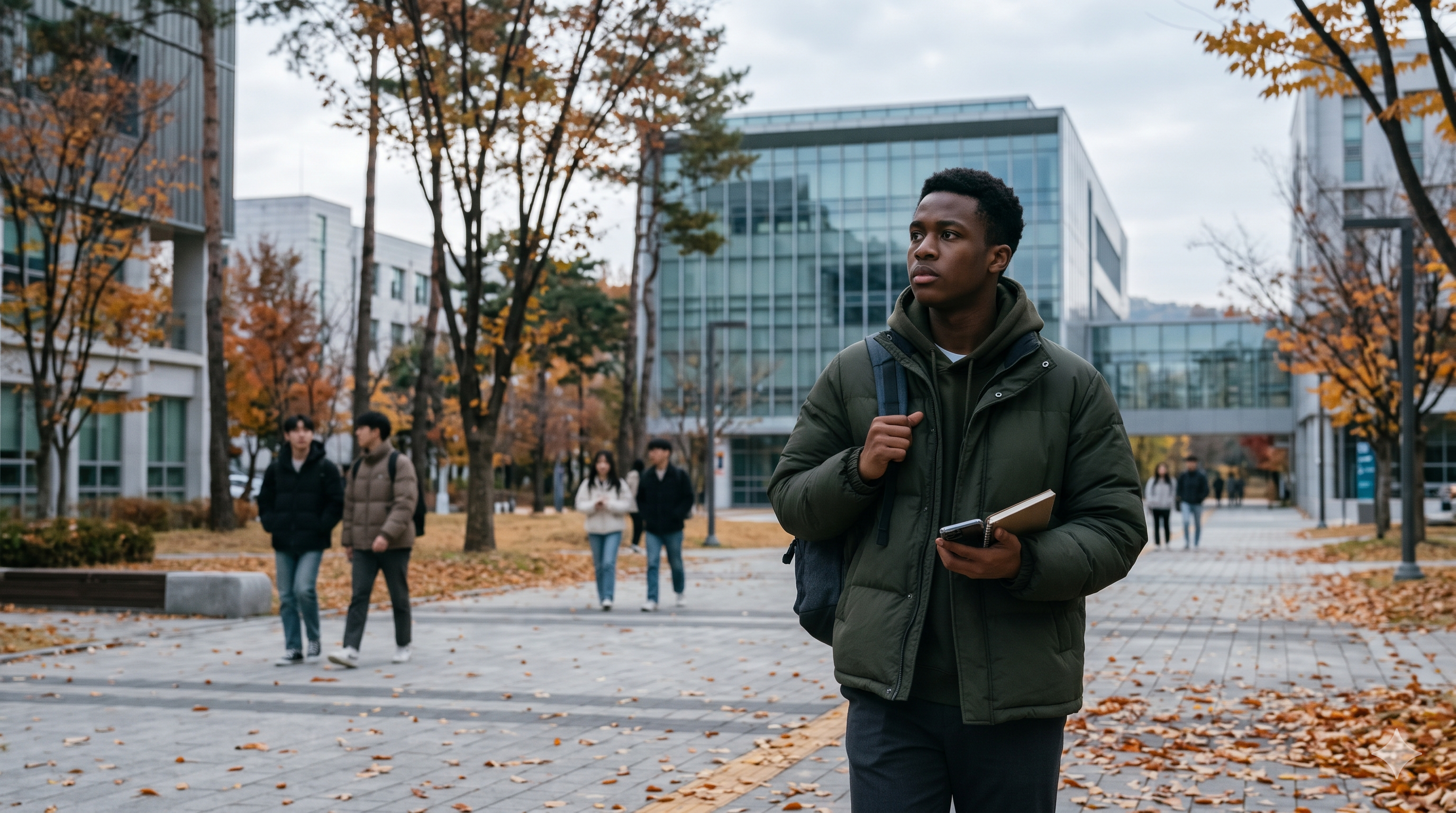
“어떤 나라 여권은 캐나다 비자 받기가 어렵다던데, 한국에서 대학에 다니고 있어도 마찬가지일까요?” 캐나다 단기 대학 프로그램에 참가하려는 외국인 유학생이라면 이런 걱정을 할 수 있습니다. 특히 출발일까지 시간이 얼마 남지 않았다면 비자를 받을 수 있을지, 한국에서 신청하면 상황이 달라지는지부터 궁금할 것입니다.
실제 문의자는 한국에서 D-2 체류자격으로 공부하고 있으며 2027년 2월 초 캐나다 대학 관련 약 열흘짜리 프로그램에 참석할 예정이라고 밝혔습니다. 다만 이 학생의 여권 국적은 확인되지 않았습니다. 특정 국적의 승인률을 근거 없이 일반화하거나, 이름만 보고 국적을 추정해서는 안 됩니다. 확인해야 할 핵심은 여권 국적에 따른 입국서류 요건, 한국 내 실제 체류·학업 기반, 캐나다에서 하려는 활동, 그리고 비자 발급까지 남은 절차입니다.
핵심 답변: 한국에서 합법적으로 유학 중인 제3국 국적자는 캐나다 Visitor Visa를 신청할 수 있습니다. 그러나 한국 D-2 비자가 캐나다 비자면제를 제공하지는 않습니다. 초청장이나 짧은 방문 일정도 승인을 보장하지 않으며, 출발일이 가까우면 심사결정뿐 아니라 여권 제출·비자 부착 일정까지 고려해야 합니다.
실제 문의 사례: 한국 D-2 학생의 단기 대학 프로그램
최근 한 외국인 학생이 한국에서 국제학생으로 재학 중이며 캐나다 대학과 관련된 단기 프로그램에 참가하려고 한다고 문의했습니다. 예정된 방문은 2027년 2월 초 약 열흘이었고, 문의 시점은 2026년 11월 초였습니다. 학생은 Visitor Visa 신청서 작성과 제출 대행 서비스를 요청했습니다.
상담 시점에는 여권 국적, 한국 대학명, 캐나다 프로그램의 정확한 활동, 입학 또는 초청장, D-2 체류기간, 과거 비자 거절 이력이 확인되지 않았습니다. 따라서 학생의 이름만 보고 특정 국적이라고 가정하거나 승인 가능성을 평가할 수는 없습니다. 개인정보 보호를 위해 신청인의 이름과 학교명은 공개하지 않습니다. 이 글은 신청 준비 전 문의 사례이지 비자 신청·승인 완료 사례가 아닙니다.
‘비자가 어려운 국적’이라는 말, 어디까지 사실일까요?
캐나다 방문비자는 특정 국적만 보고 기계적으로 승인하거나 거절하는 제도가 아닙니다. 국적과 여권의 종류는 먼저 eTA가 필요한지, Visitor Visa(TRV)가 필요한지를 판단하는 데 영향을 미칩니다. 비자가 필요한 국가의 국민이라도 개별 신청인의 사정과 입국 요건을 기준으로 심사받습니다. 다만 어떤 국가 출신이든 승인 가능성을 숫자 하나로 예측하거나, 한국 D-2 신분 때문에 승인 가능성이 자동으로 높아진다고 말할 근거는 없습니다.
이 사례에서도 신청인의 국적이 아직 확인되지 않았으므로 특정 국가를 거론해 ‘거절이 많다’고 단정하지 않았습니다. 국적을 확인한 다음에야 필요한 신청 유형과 적용되는 예외를 정확히 결정할 수 있습니다.
한국에서 신청할 수 있나: 국적과 거주국은 다릅니다
캐나다 방문에 Visitor Visa가 필요한지는 여권을 발행한 국가와 국적, 여행서류 종류, 일부 예외적 자격에 따라 달라집니다. 한국에서 D-2 신분으로 합법적으로 생활한다는 사실만으로 한국 시민권자에게 적용되는 입국요건을 그대로 적용받는 것은 아닙니다.
IRCC는 신청인이 국적국 밖에 합법적으로 체류하는 경우에도 그곳에서 Visitor Visa를 신청할 수 있다고 안내합니다. 온라인 신청도 가능합니다. 신청서에는 현재 거주국과 합법적인 체류 신분을 정확히 표시하고, 한국에서 학업 중이라는 점을 뒷받침하는 서류를 준비해야 합니다.
여권 국적이 아직 확인되지 않았다면 ‘우즈베키스탄 학생이니까 비자가 어렵다’ 같은 표현은 정확하지 않습니다. 국적은 어떤 입국서류가 필요한지를 가르는 중요한 사실이고, 개별 비자 승인 여부는 신분·방문 목적·재정·입국적격성 및 방문 종료 후 출국할 가능성 등을 종합적으로 심사합니다.
10일 프로그램이면 반드시 Study Permit이 필요한가
캐나다에서 6개월 이하의 짧은 프로그램을 그 허용된 체류기간 내에 끝내는 경우, 일반적으로 Study Permit 면제가 적용될 수 있습니다. 따라서 약 열흘짜리 대학 관련 프로그램이라고 해서 무조건 Study Permit을 신청해야 하는 것은 아닙니다. 반대로 프로그램에서 실제로 어떤 활동을 하는지에 따라 별도의 취업허가·면제 문제를 검토해야 할 수도 있습니다.
대학교 이름이 포함되어 있다고 모두 동일하지 않습니다. 단기 강의 수강인지, 연구실에서 실질적인 연구 업무를 수행하는지, 보수를 받거나 캐나다 노동시장에 참여하는지, 학점이 부여되는지, 어느 기관이 공식 초청하는지를 확인해야 합니다. ‘University-related program’이라는 한 문장만으로 정확한 신청 유형을 결론 내릴 수 없습니다.
실무 포인트: 먼저 참가 프로그램의 일정표와 공식 초청장, 구체적인 활동 내용을 확인한 다음 Visitor Visa로 적절한지 검토해야 합니다.
D-2 비자와 한국 대학 재학은 어떤 의미가 있나
한국 체류카드 또는 유효한 체류자격 증명, 한국 대학의 재학증명서, 학기 일정, 향후 수업 등록, 등록금 납부자료 등은 신청인의 현재 생활기반을 설명하는 데 도움이 될 수 있습니다. 다만 이것들이 ‘반드시 귀국한다’는 사실을 자동으로 입증하는 것은 아닙니다. 짧은 여행이 학기 일정과 어떻게 연결되는지, 프로그램 종료 후 한국에서 무엇을 계속할지 설명해야 합니다.
자비로 여행하는지, 한국 학교나 캐나다 초청기관에서 비용을 지원하는지, 항공권·숙박·보험·생활비는 어떻게 충당하는지도 확인해야 합니다. 학생 본인 명의의 현금이 부족하다면 누가 지원하고 실제로 자금을 제공할 수 있는지 증빙이 필요할 수 있습니다. 초청장은 참가 이유를 보여주지만 재정능력과 귀국근거를 대신하지는 않습니다.
시간이 촉박할 때의 진짜 문제: 심사 후에도 절차가 남습니다
예상 심사기간은 IRCC가 개별 신청인에게 발급을 약속하는 기한이 아닙니다. 자료검증과 신원조회, 추가서류 요청, 생체정보 등록 등에 따라 달라질 수 있습니다. 특히 매주 갱신되거나 산정 방식이 바뀔 수 있으므로 신청 직전에 IRCC 공식 Processing Times에서 현재 신청국·신청유형을 다시 조회해야 합니다.
그리고 중요한 점은 IRCC가 온라인 Visitor Visa 신청을 승인한 뒤 여권 제출 안내를 보낼 수 있다는 것입니다. 여권을 제출하고 비자가 실제로 부착되어 여권이 반환되어야 캐나다행 여행을 할 수 있습니다. 승인 알림을 받은 날과 출발 준비를 마칠 수 있는 날이 같지 않습니다. 따라서 단기 프로그램은 ‘예상 심사기간만큼 남았으니 괜찮다’고 계산하면 위험합니다.
이 사례에서는 2026년 11월 초 문의와 2027년 2월 초 출발 사이가 약 3개월이었습니다. 충분하다고 약속할 수 없으며 지연 가능성을 서면으로 고지해야 합니다. 확정되지 않은 수치나 별도 대행업체의 추정치를 공식 보장기간으로 제시해서는 안 됩니다.
실제 준비 순서와 필요한 자료
- 여권 인적사항과 발급국, 여권 만료일
- 한국 D-2 체류자격 및 외국인등록증/거주카드, 체류만료일
- 한국 대학 재학증명·등록 현황 및 학기 일정
- 캐나다 대학의 공식 초청장, 프로그램 설명, 세부 일정과 참가비
- 여행비용 부담자와 잔고·소득·장학금 등 해당 재정자료
- 숙소와 예정 출입국 일정, 프로그램 종료 후 한국 복귀 계획
- 과거 캐나다 및 다른 국가 비자 신청·거절·입국 문제 이력
- 기존 캐나다 바이오메트릭스 등록 여부와 유효성
첫 단계에서 모든 서류를 무조건 요구하기보다, 우선 여권 국적과 프로그램 내용을 확인해 신청 유형을 결정합니다. 이후 체크리스트와 수수료 및 예상 일정, 수임 업무범위를 서면으로 안내하는 것이 합리적입니다.
자주 발생하는 오해
첫째, 한국 D-2 체류자격을 캐나다 eTA 또는 비자 자격과 혼동하는 것입니다. 둘째, 캐나다 대학의 초청장이 있으면 방문비자가 반드시 나온다고 생각하는 것입니다. 셋째, 예상 심사기간을 항공권 출발일과 그대로 비교하면서 여권 제출과 반환에 걸릴 시간을 잊는 것입니다. 넷째, 짧은 프로그램이라는 이유만으로 프로그램 내용 확인 없이 모든 활동을 단순 방문으로 분류하는 것입니다.
비자 신청료와 바이오메트릭스 비용은 정부 비용이며 전문가의 대행 수수료와 구분됩니다. IRCC의 공식 비용과 회사의 전문 수수료는 각각 별도로 확인해야 합니다. 대행인이 신청서를 작성하더라도 발급 결정과 처리속도를 통제할 수는 없습니다.
일정과 비용에서 놓치기 쉬운 부분
캐나다 대학의 프로그램 참가일이 정해져 있더라도 기관이 늦은 입국이나 다음 기수로의 변경을 허용하는지 확인하는 편이 좋습니다. 항공권과 숙박은 취소·변경 조건을 살펴보고, 비자 발급 전에 환불할 수 없는 비용을 지출할 경우 그 위험을 이해해야 합니다. 여권 제출이 필요한 시기에 한국 체류 연장이나 학사 행정에 여권을 사용해야 하는 일정이 겹치는지도 점검할 필요가 있습니다. 이는 심사관이 결정을 내리는 기간과 별도로 신청인이 실제로 여행할 준비를 마치는 데 영향을 주는 요소입니다.
핵심 정리
한국에 거주하는 외국인 학생의 단기 캐나다 대학 방문은 신청 가능성이 있는 유형입니다. 하지만 어떤 여권을 가지고 있는지, 실제 대학 프로그램이 무엇인지, 한국의 학업·체류 상황과 여행비용을 어떻게 증빙할지, 출발일 전에 비자가 부착된 여권을 돌려받을 수 있을지가 각기 다른 질문입니다. 특히 출발일이 정해져 있다면 서류 준비와 공식 처리기간 확인을 가능한 한 일찍 시작하는 것이 중요합니다.
공식 참고자료
- IRCC — Applying outside your country of citizenship
- IRCC — Entry requirements by country
- IRCC — Check processing times
- IRCC — Apply for a visitor visa
- IRCC — After you apply for a visitor visa
상담 안내
유진비자는 캐나다 비자·체류자격에 관해 사실관계와 신청요건을 검토하고 필요한 서류 및 신청 전략을 안내합니다. 상담 문의: 유진비자 공식 홈페이지
English Version
“I have heard that Canadian visas can be difficult to obtain with certain passports. Would being a university student in South Korea change the assessment?” This is a natural concern for an international student planning a short academic visit to Canada, especially when departure is approaching.
In an actual preliminary inquiry, a student holding Korean D-2 status described an approximately ten-day Canadian university-related program in early February 2027 and asked about representation, fees and processing time. The applicant’s passport nationality had not yet been confirmed. It would be inaccurate to infer citizenship from a name, generalize approval rates without sound evidence or predict a refusal on nationality alone. The correct starting point is to distinguish the passport-based entry-document requirement, lawful residence and studies in Korea, actual proposed activities in Canada and the steps remaining before travel.
Key point: A third-country national legally studying in South Korea may apply for a Canadian visitor visa from Korea. Korean D-2 status does not automatically create a Canadian visa exemption. A university invitation and a short itinerary do not guarantee approval, while a fixed departure date requires consideration of passport submission and visa printing after the decision.
Consultation scenario: a D-2 student and a short university program
An international student living in Korea wrote that they intended to attend a short Canadian university-related program in early February 2027 and requested assistance with document preparation and submission. The inquiry arrived in early November 2026, leaving roughly three months before travel.
At that stage, the student's citizenship, Korean university, exact Canadian program activities, invitation, remaining D-2 validity and past immigration history had not been verified. A nationality must not be inferred from the applicant's name. This anonymized article omits identifying details and describes a preliminary inquiry only; no submission or approval outcome is claimed.
Are some nationalities automatically less likely to receive a visa?
Canadian visitor visas are not issued or refused by applying a single fixed outcome to everyone with a particular nationality. Passport nationality and travel-document type first help determine whether an eTA or a temporary resident visa (TRV) is required. A visa-required applicant is still assessed individually against the applicable visitor requirements. It would be misleading to quote an unsupported nationality-specific approval probability or to claim that Korean D-2 status automatically improves the odds.
Here, the applicant's nationality was unconfirmed, so no particular country was identified as unusually likely to be refused. Citizenship must be verified before the correct Canadian travel-document requirement and any exceptions can be assessed.
Applying in Korea: nationality differs from current residence
Whether a Canadian visitor visa is needed depends on nationality, passport and travel-document type and any applicable exceptions. A foreign student holding Korean D-2 status does not gain the same Canadian entry requirements as a South Korean citizen merely by living in Korea.
IRCC confirms that a person legally admitted to another country can apply there for a visitor visa, and an online application is possible. A student should accurately disclose current residence and immigration status and substantiate lawful studies in Korea.
Without confirmation of nationality, it would be inaccurate to label the applicant as a citizen of a particular country or to predict approval based only on that assumption. Nationality influences which entry document is required; issuance is assessed on the individual's purpose, circumstances, finances, admissibility and intention to leave Canada after the authorized visit.
Does a ten-day university program require a study permit?
A course or program lasting no more than six months that can be completed within the authorized period of stay may generally qualify for a study-permit exemption. A short university visit therefore does not automatically require a study permit. At the same time, certain activities could engage work-permit requirements or other exemptions.
A university-related program may mean lectures, workshops, lab activities or other arrangements. Relevant questions include whether the visitor will perform productive research, receive remuneration, participate in the Canadian labour market or receive academic credit, and which organization is inviting them. The label 'university-related' is not enough to classify the immigration activity.
Practical point: First examine the official invitation, itinerary and activities, then decide whether a visitor-visa application accurately reflects the intended visit.
What does Korean D-2 status contribute?
Evidence of lawful status, a Korean residence card, a current enrolment certificate, future course registration, tuition payments and the academic calendar can help explain the applicant's established life in Korea. None automatically proves the student will leave Canada. The application should show how the proposed trip fits the academic schedule and what studies will resume after return.
The financial plan must likewise be coherent. Is the visit self-funded? Does a Korean university or a Canadian host pay for flights, accommodation or program costs? The applicant may need evidence of personal resources or credible sponsor support. An invitation explains the reason for travel, but does not replace evidence of funds or a realistic departure plan.
When time is short: the process continues after approval
IRCC's processing-time figures are estimates, not promises of issuance by a particular date. Identity checks, document verification, biometrics, additional requests and other factors may change the timeline. Applicants should check the official IRCC processing-time tool for the correct application category and country just before submission, rather than rely on an old screenshot or a third-party forecast.
For online visitor-visa applications, approval may be followed by a request to submit the passport. The visa must be placed in the passport before the holder can travel using that visa. An approval notification is not the same as receiving the travel-ready passport back. Consequently, comparing only a posted processing estimate to a departure date overlooks part of the practical timeline.
In this consultation, early November 2026 and the anticipated early-February 2027 travel date were about three months apart. It would be inappropriate to guarantee completion by departure. The risk of a delay must be explained in writing. A third-party time estimate should never be represented as an official guaranteed completion date.
Documents and preparation sequence
- Passport identity page, citizenship and passport expiry date.
- Korean D-2 status and residence card with validity dates.
- Proof of enrolment at a Korean university and the academic calendar.
- Official invitation, program description, timetable and any registration fee.
- Funding arrangements and corresponding bank, income or scholarship evidence.
- Accommodation, intended travel dates and plan to resume studies in Korea.
- Previous Canadian and other visa applications, refusals or entry incidents.
- Whether Canadian biometrics were previously provided and remain valid.
Rather than request every imaginable paper at the first contact, confirm nationality and the program's actual content first. Then provide an appropriate checklist, written fee terms, scope of representation and a realistic discussion of timing.
Common errors and misconceptions
One is treating Korean D-2 status as a Canadian visa exemption. Another is assuming that a Canadian university invitation guarantees a visitor visa. A third is overlooking the time required to submit and recover a passport after approval. A fourth is categorizing any short university activity as ordinary tourism without examining what the participant will actually do.
Government application and biometric fees are separate from an authorized representative's professional fees. An immigration professional can prepare and submit a complete application, but cannot control an officer's decision or guarantee a processing date.
Additional practical timing and cost considerations
Even with fixed university-program dates, the applicant should check whether the host allows a late arrival or deferral. Flight and accommodation cancellation conditions matter, especially before a visa has been issued. Students should also consider whether passport submission could conflict with Korean immigration renewal or university administrative appointments. These practical steps may affect the date on which a traveller is actually ready to depart, independently of the decision on the application.
Conclusion
A short Canadian academic visit by an international student legally residing in Korea can be assessed for a visitor visa. But passport nationality, the exact nature of the program, the student's continuing academic and immigration ties to Korea, financial support and the actual time to obtain a visa-bearing passport are separate questions. With fixed travel dates, preparation and official processing-time review should begin as early as possible.
Official references
- IRCC — Applying outside your country of citizenship
- IRCC — Entry requirements by country
- IRCC — Check processing times
- IRCC — Apply for a visitor visa
- IRCC — After you apply for a visitor visa
Consultation
YUJIN VISA provides case-specific reviews of Canadian travel, visa and permit requirements, supporting evidence and application procedures. Contact us through the YUJIN VISA website.