
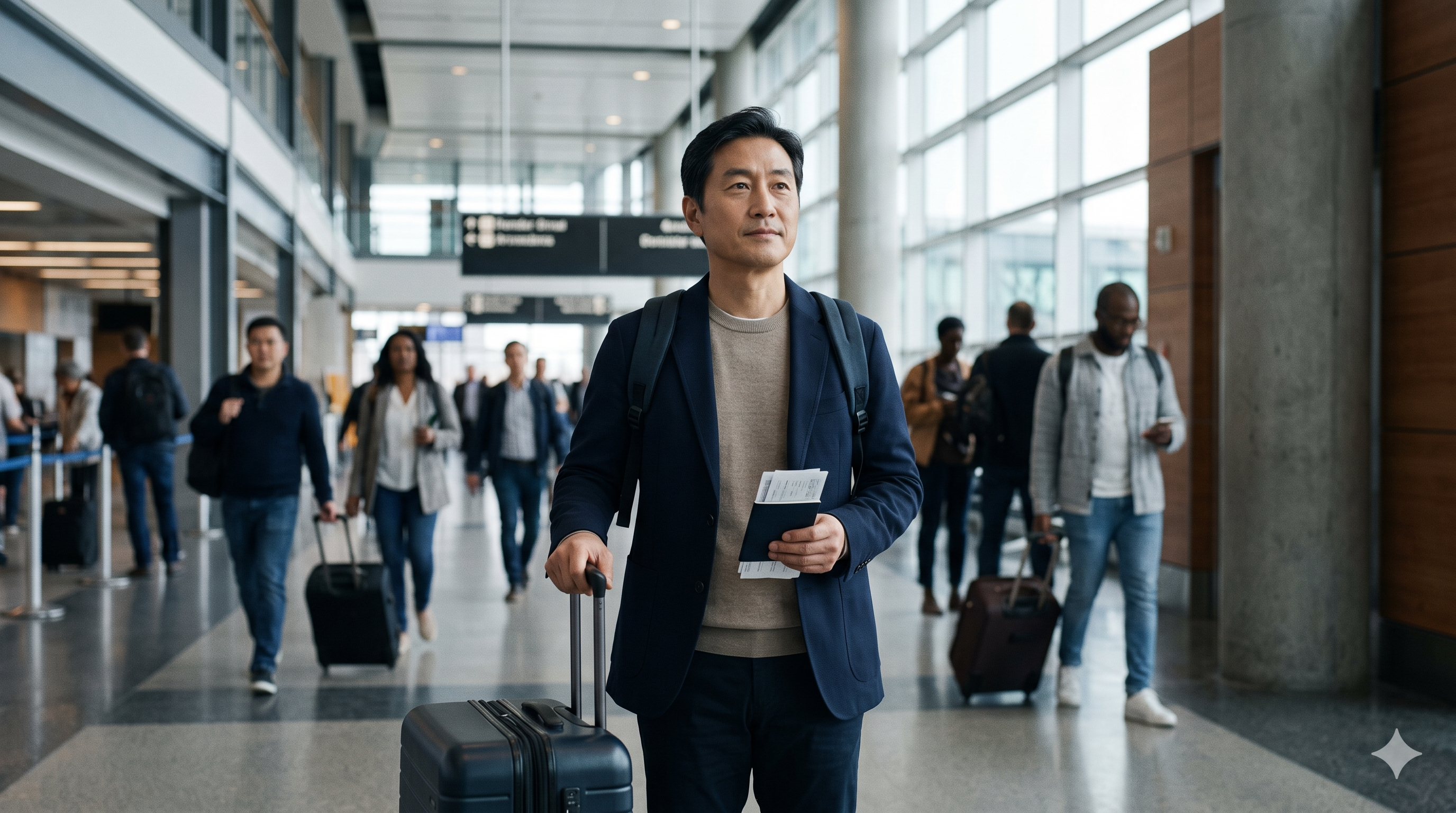
캐나다 eTA로 자주 입국하면 문제가 될까요? 반복 방문과 장기체류 시 입국심사 주의사항
캐나다에 가족이 거주하고 있어 한국과 캐나다를 자주 오가는 분들이 있습니다. 배우자와 자녀를 만나기 위해 정기적으로 방문하거나, 가족의 생활을 지원하기 위해 한 번에 몇 주씩 캐나다에 체류하는 경우도 있습니다.
그런데 캐나다를 여러 차례 문제없이 방문했더라도 어느 날 입국심사에서 예상하지 못한 질문을 받을 수 있습니다.
“캐나다에는 왜 이렇게 자주 오시나요?”
“한국에서는 어떤 일을 하고 계신가요?”
“언제 한국으로 돌아가실 예정인가요?”
캐나다 eTA로 반복 입국하는 것 자체가 금지되어 있지는 않습니다. 그러나 유효한 eTA가 있다고 해서 매번 입국이 보장되는 것은 아닙니다.
특히 캐나다에서 장기간 체류하고 한국에는 짧게 머물다가 다시 캐나다로 돌아오는 일정이 반복된다면, 입국심사관은 방문자가 실제로 캐나다에 거주하려는 것은 아닌지 확인할 수 있습니다.
이번 글에서는 실제 상담에서 제기된 상황을 바탕으로 eTA 반복 입국 시 주의사항과 입국심사 준비 방법을 살펴보겠습니다.
1. eTA가 있으면 캐나다에 몇 번이나 입국할 수 있나요?
eTA(Electronic Travel Authorization)는 캐나다에 항공편으로 입국하는 비자면제국 국민에게 적용되는 전자여행허가입니다.
대한민국 일반여권 소지자는 일반적으로 캐나다 항공편 이용 시 유효한 eTA가 필요합니다. 다만 캐나다 시민권자나 영주권자 등에게는 별도의 규칙이 적용됩니다.
eTA는 일반적으로 최대 5년 또는 여권 만료일까지 유효하며, 둘 중 먼저 도래하는 시점에 만료됩니다.
유효기간 중에는 여러 차례 캐나다로 여행할 수 있습니다.
따라서 1년에 몇 번 이상 입국하면 안 된다는 식의 일반적인 고정 횟수 제한은 없습니다.
그러나 입국 가능 횟수에 일률적인 제한이 없다는 것과 매번 입국이 허용된다는 것은 전혀 다른 문제입니다.
IRCC는 eTA가 캐나다 입국을 보장하지 않으며, 실제 입국 허용 여부는 입국심사관이 결정한다고 명확히 안내하고 있습니다.
또한 eTA 자체는 캐나다에서 취업하거나 장기간 거주할 수 있는 신분을 부여하지 않습니다.
2. 한 번 입국하면 무조건 6개월 동안 체류할 수 있나요?
일반적인 방문자는 캐나다에 한 번 입국할 때 통상 최대 6개월까지 체류할 수 있습니다.
그러나 모든 방문자에게 반드시 6개월의 체류기간이 보장되는 것은 아닙니다.
입국심사관은 방문 목적과 체류 상황에 따라 6개월보다 짧거나 긴 기간을 허용할 수 있습니다.
체류기간이 별도로 지정되면 여권에 날짜가 기재되거나 Visitor Record가 발급될 수 있습니다.
별도의 체류기간이 지정되지 않은 일반적인 경우에는 통상 입국일부터 6개월을 기준으로 하지만, 여권이나 기타 관련 서류의 유효기간에 따라 달라질 수 있습니다.
따라서 입국 후에는 자신에게 실제로 허용된 체류기간을 확인해야 합니다.
또한 6개월 동안 체류할 수 있다는 사실이 방문자에게 캐나다에 사실상 거주할 권리를 부여하는 것은 아닙니다.
3. 캐나다에 자주 입국하면 왜 추가 질문을 받을까요?
입국심사관은 방문자가 캐나다에 일시적으로 체류하려는 것인지, 그리고 허용된 체류기간이 끝나면 출국할 것인지 확인합니다.
예를 들어 다음과 같은 방문 형태를 생각해 볼 수 있습니다.
- 캐나다에 입국하여 약 3주 동안 체류
- 한국으로 돌아가 약 1주일 정도 체류
- 다시 캐나다에 입국하여 몇 주간 체류
- 이러한 일정이 여러 달 동안 반복
이런 방문 패턴이 곧바로 이민법 위반을 의미하는 것은 아닙니다.
그러나 전체 체류기록을 보면 실제 생활의 중심이 한국에 있는지, 캐나다에 있는지에 관한 질문이 제기될 수 있습니다.
특히 캐나다에 배우자나 자녀가 거주하고 있다면 입국심사관은 가족 방문의 목적과 실제 체류 형태를 확인할 수 있습니다.
이때 중요한 것은 캐나다에 가족이 있다는 사실 자체가 문제가 되는 것이 아니라는 점입니다.
캐나다에 가족이 있더라도 합법적으로 방문할 수 있습니다.
다만 방문자가 캐나다에 일시적으로 체류하고, 허용된 기간이 끝나면 출국할 것이라는 점을 설명할 수 있어야 합니다.
4. 실제 상담 사례: 가족 방문을 위해 한국과 캐나다를 반복적으로 오가는 경우
유진비자이민에 상담을 요청한 한 방문자는 가족이 캐나다에 거주하고 있어 한국과 캐나다를 정기적으로 오가고 있었습니다.
캐나다에서 몇 주 동안 가족과 함께 지낸 후 한국에 잠시 돌아갔다가 다시 캐나다로 입국하는 생활이 반복되고 있었습니다.
이전에는 큰 문제 없이 입국했지만, 최근 입국심사에서는 방문 목적과 체류 일정에 관한 추가 질문을 받았고 귀국 항공권도 확인받았습니다.
결과적으로 해당 방문자는 입국이 허용되었습니다.
다만 향후에도 비슷한 방문 일정이 계속된다면 어떤 점을 준비해야 하는지 문의했습니다.
이 사례에서 주목해야 할 부분은 입국이 허용되었다는 사실과 앞으로의 입국이 보장된다는 사실은 다르다는 점입니다.
이번에 입국이 허용되었다고 해서 다음 방문 때도 동일한 결과가 나온다고 단정할 수 없습니다.
반대로 추가 질문을 받았다는 사실만으로 이미 입국 제한 조치가 내려졌거나 향후 입국이 불가능해졌다고 볼 수도 없습니다.
입국심사관의 질문은 방문 목적과 체류계획을 확인하기 위한 절차일 수 있습니다.
따라서 질문을 받았다는 사실 자체보다는 실제 입국심사 결과와 허용된 체류조건을 확인하는 것이 중요합니다.
이 사례는 개인정보 보호를 위해 특정인을 식별할 수 있는 내용을 제외하고 상담의 핵심 쟁점만 재구성한 것입니다.
5. 입국심사관은 무엇을 중요하게 확인하나요?
캐나다 입국심사에서는 단순히 유효한 eTA를 가지고 있는지만 확인하는 것이 아닙니다.
IRCC가 안내하는 기본적인 방문자 입국 요건에는 다음과 같은 사항이 포함됩니다.
① 방문 목적
캐나다에 왜 입국하는지, 누구를 만나고 무엇을 할 예정인지 확인합니다.
가족 방문이라면 가족과의 관계, 체류 장소 및 예정된 방문 일정을 설명할 수 있어야 합니다.
② 귀국 계획
방문이 끝난 후 언제, 어디로 돌아갈 예정인지 확인할 수 있습니다.
귀국 항공권이 있다면 예정된 출국 일정을 설명하는 데 도움이 됩니다.
다만 항공권이 있다는 사실만으로 입국이 보장되지는 않습니다.
③ 한국 내 생활 기반
한국에 직장이나 사업체가 있는지, 주거지가 유지되고 있는지, 경제활동이나 가족관계 등 귀국할 이유가 있는지를 확인할 수 있습니다.
④ 체류 비용
캐나다에 머무는 동안 생활비와 여행비를 부담할 수 있는지 확인할 수 있습니다.
가족의 집에 머무르는 경우에도 체류비용을 어떻게 부담하는지 설명할 수 있어야 합니다.
⑤ 과거 캐나다 체류 이력
이전에 얼마나 자주 입국했고, 한 번 입국할 때 얼마나 오래 머물렀는지 확인할 수 있습니다.
반복 방문 자체가 금지된 것은 아니지만, 체류 패턴은 방문 목적을 판단하는 데 고려될 수 있습니다.
IRCC 공식 안내 – eTA 신청자의 캐나다 입국 기본 요건
6. 반복 입국을 준비할 때 어떤 서류가 도움이 될까요?
모든 방문자에게 동일한 서류를 반드시 제출하도록 요구하는 것은 아닙니다.
그러나 방문 횟수가 많거나 체류기간이 길다면 입국 목적과 귀국 계획을 뒷받침할 자료를 준비하는 것이 좋습니다.
귀국 항공권
캐나다 방문 후 한국으로 돌아갈 예정이라는 점을 보여주는 자료입니다.
한국 내 직장 또는 사업 관련 서류
재직증명서, 사업자등록증, 사업 운영 관련 자료 등이 해당할 수 있습니다.
한국 내 주거지 관련 자료
한국에서 거주지를 유지하고 있다는 사실을 보여줄 수 있는 자료입니다.
방문 일정
캐나다에서 머무를 장소, 방문 목적, 예상 출국일 등을 정리한 자료입니다.
재정 증빙
은행잔고나 소득 관련 자료 등 캐나다 체류비용을 부담할 수 있다는 점을 보여주는 자료입니다.
가족관계 및 방문 목적 관련 자료
필요한 경우 캐나다에 거주하는 가족과의 관계나 방문 사유를 설명하는 자료가 도움이 될 수 있습니다.
다만 서류의 양이 많다고 해서 반드시 유리한 것은 아닙니다.
핵심은 실제 상황에 부합하고 입국심사관의 질문에 답할 수 있는 자료를 준비하는 것입니다.
7. 캐나다에 배우자와 자녀가 있으면 입국심사에 불리한가요?
캐나다에 배우자나 자녀가 있다는 이유만으로 입국이 거절되는 것은 아닙니다.
가족 방문은 정당한 방문 목적이 될 수 있습니다.
그러나 가족이 캐나다에 거주하고 있고 방문자 본인도 캐나다에서 대부분의 시간을 보내고 있다면, 입국심사관은 일시적인 방문인지 사실상 거주인지 확인할 수 있습니다.
이 경우에는 가족 방문 목적을 숨기거나 다른 방문 사유를 만들어 설명하는 것이 아니라, 실제 상황을 정확하게 설명해야 합니다.
예를 들어 가족과 시간을 보내기 위해 방문하지만 한국에서 직장이나 사업을 유지하고 있고 정해진 일정에 따라 귀국한다면 그러한 사정을 일관되게 설명하는 것이 중요합니다.
반대로 실제로는 캐나다에서 장기간 생활할 계획인데 짧은 관광 목적이라고 설명한다면 제출 정보와 실제 상황 사이에 문제가 발생할 수 있습니다.
방문 목적은 사실대로 설명해야 하며, 캐나다와 한국에서의 생활 상황에 관한 답변도 일관되어야 합니다.
8. 캐나다에서 6개월 체류한 후 한국에 잠깐 다녀오면 다시 6개월을 받을 수 있나요?
이 질문은 방문자들이 자주 오해하는 부분입니다.
캐나다에서 6개월 체류한 뒤 한국에 잠시 다녀왔다고 해서 다음 입국 시 반드시 새로운 6개월의 체류기간이 보장되는 것은 아닙니다.
재입국 시에는 다시 입국심사를 받게 됩니다.
입국심사관은 이전 체류기간과 출국 후 경과한 기간, 방문 목적, 캐나다와 한국의 생활 기반 등을 고려할 수 있습니다.
따라서 캐나다에서 오랫동안 체류한 후 며칠 또는 몇 주만 한국에 머물렀다가 재입국하는 경우에는 추가 질문을 받을 수 있습니다.
또한 캐나다 방문자에게 반드시 일정 기간 한국에 머물러야 재입국할 수 있다는 일반적인 고정 규칙도 없습니다.
예를 들어 한국에서 30일을 보내면 안전하다거나, 캐나다 체류기간보다 한국 체류기간이 길어야 한다는 식의 공식적인 일반 기준은 없습니다.
중요한 것은 단순한 출입국 날짜 계산이 아니라 전체 방문 목적과 체류 형태입니다.
9. eTA가 유효한데도 입국이 거절될 수 있나요?
그렇습니다.
eTA는 캐나다행 항공편을 이용하기 위한 여행허가이지, 캐나다 입국을 보장하는 허가가 아닙니다.
캐나다 입국 시에는 여권과 eTA의 유효성뿐 아니라 입국 적격성과 방문 목적을 확인받아야 합니다.
입국심사관이 방문자가 허용된 체류기간이 끝난 후 캐나다를 떠날 것이라는 점에 만족하지 못하거나 다른 입국불허 사유가 있다고 판단하면 입국이 허용되지 않을 수 있습니다.
캐나다 이민 및 난민보호법(Immigration and Refugee Protection Act) 제20조는 임시체류를 희망하는 외국인이 필요한 서류를 갖추고 허용된 체류기간 종료 시 출국할 것임을 입증해야 한다는 기본 원칙을 규정하고 있습니다.
Justice Laws – Immigration and Refugee Protection Act, Section 20
따라서 유효한 eTA가 있더라도 방문자는 매번 입국심사에서 요구되는 조건을 충족해야 합니다.
10. 캐나다에 더 오래 머물러야 한다면 Visitor Record를 신청할 수 있나요?
캐나다에 방문자로 체류하는 중 허용된 체류기간보다 더 오래 머물러야 하는 상황이 발생할 수 있습니다.
이 경우에는 상황에 따라 Visitor Record를 통한 체류기간 연장을 신청할 수 있습니다.
Visitor Record는 캐나다 내에서 방문자로 체류할 수 있는 기간을 연장하거나 체류조건을 기록하는 문서입니다.
그러나 Visitor Record는 비자나 eTA를 대신하는 입국서류가 아닙니다.
또한 Visitor Record를 발급받았다고 해서 캐나다를 출국한 후 다시 입국할 권리가 자동으로 보장되는 것은 아닙니다.
IRCC는 방문자가 체류기간 연장을 원할 경우 허용된 체류기간이 끝나기 최소 30일 전에 신청할 것을 권장합니다.
연장 신청이 승인되는지는 신청자의 사유와 제출자료 등을 검토하여 결정됩니다.
가족과 함께 지내기 위해 장기간 캐나다에 머물 필요가 있다면 단순히 출국과 재입국을 반복하기보다는 현재 체류 신분과 장기적인 계획에 맞는 방법을 검토할 필요가 있습니다.
11. 반복 입국 시 피해야 할 실수
첫째, eTA가 있으니 입국은 당연히 가능하다고 생각하는 것입니다.
eTA는 여행허가이며 최종 입국 결정은 입국심사에서 이루어집니다.
둘째, 귀국 항공권만 있으면 충분하다고 생각하는 것입니다.
항공권은 도움이 될 수 있지만 실제 방문 목적과 생활 기반도 중요합니다.
셋째, 이전에 여러 번 입국했으므로 앞으로도 문제가 없을 것이라고 판단하는 것입니다.
과거 입국이 허용되었다고 해서 미래의 입국까지 보장되지는 않습니다.
넷째, 가족 방문 목적을 숨기는 것입니다.
캐나다에 가족이 있다는 사실 자체가 문제가 되는 것은 아닙니다. 실제 방문 목적을 정확하게 설명하는 것이 중요합니다.
다섯째, 짧게 출국했다가 재입국하면 체류기간이 자동으로 갱신된다고 생각하는 것입니다.
재입국 시에는 새로운 입국심사를 받으며 체류기간도 그 결과에 따라 결정됩니다.
12. 핵심 정리
캐나다 eTA를 이용한 반복 방문은 그 자체로 금지되어 있지 않습니다.
그러나 캐나다에서 장기간 체류하고 한국에는 짧게 머물다가 다시 입국하는 일정이 반복된다면 입국심사에서 방문 목적과 실제 체류 형태에 관한 질문을 받을 수 있습니다.
특히 캐나다에 가족이 거주하는 경우에는 가족 방문 목적과 함께 한국 내 생활 기반 및 귀국 계획을 설명할 수 있도록 준비하는 것이 중요합니다.
반복 입국에서 가장 중요한 것은 몇 번 입국했는지가 아니라, 매번 캐나다에 일시적으로 방문하는 목적과 허용된 체류기간이 끝난 후 출국할 계획을 입증할 수 있는지입니다.
유진비자이민 상담 안내
캐나다에 가족이 거주하고 있어 한국과 캐나다를 자주 오가거나, 최근 입국심사에서 추가 질문을 받은 경우에는 현재의 방문 패턴과 체류 신분을 함께 검토할 필요가 있습니다.
유진비자이민은 eTA, Visitor Record, 방문 목적 및 캐나다 체류 신분과 관련된 상담을 제공합니다.
개별 상황에 따라 입국심사 준비자료와 향후 체류계획을 검토하고 적절한 방향을 안내해 드립니다.
Yujin Visa Immigration | 유진비자이민 장유진 RCIC-IRB | 캐나다 공인 이민 컨설턴트 웹사이트: https://www.yujinvisa.com 이메일: [email protected]
공식 참고자료
- IRCC – Electronic Travel Authorization (eTA): About
- IRCC – eTA Eligibility and Entry Requirements
- IRCC – Prepare for Arrival in Canada
- Justice Laws – Immigration and Refugee Protection Act, Section 20
- IRCC – Extend Your Stay as a Visitor
English Version
Can Frequent Travel to Canada with an eTA Cause Problems? Repeated Visits, Extended Stays and Border Examination Risks
Many people travel regularly between South Korea and Canada because their family members live in Canada. Some visit their spouse and children, while others spend several weeks in Canada at a time to support family members.
Even if someone has entered Canada without difficulty on numerous previous occasions, they may unexpectedly face additional questions at the border.
“Why do you visit Canada so frequently?”
“What do you do for work in South Korea?”
“When are you planning to return home?”
Frequent travel to Canada using an eTA is not prohibited in itself. However, a valid eTA does not guarantee admission on every visit.
When a person repeatedly spends extended periods in Canada, returns to their home country briefly, and then travels back to Canada, a border services officer may examine whether the individual is genuinely visiting temporarily or effectively residing in Canada.
This article explains the main immigration considerations for frequent visitors, using an anonymized consultation scenario to illustrate the issues.
1. How Many Times Can You Enter Canada with an eTA?
An Electronic Travel Authorization (eTA) is a travel authorization generally required for visa-exempt foreign nationals travelling to Canada by air.
South Korean ordinary passport holders generally require a valid eTA when flying to Canada, subject to applicable exceptions.
An eTA is normally valid for up to five years or until the passport expires, whichever comes first.
During its validity, a traveller may make multiple trips to Canada.
There is no general fixed rule limiting the number of entries permitted per year.
However, the absence of a fixed entry limit does not mean that admission is guaranteed.
IRCC clearly states that an eTA does not guarantee entry into Canada. A border services officer determines whether the traveller meets the applicable entry requirements.
An eTA also does not itself authorize employment or long-term residence in Canada.
2. Can Every Visitor Stay for Six Months?
Most visitors are generally authorized to remain in Canada for up to six months per entry.
However, a six-month stay is not automatically guaranteed.
A border services officer may authorize a shorter or longer period depending on the circumstances.
Where a specific departure date is imposed, the officer may record the date in the passport or issue a Visitor Record.
If no different period is specified, a typical visitor is generally allowed to stay for six months from entry, subject to relevant document validity and other applicable rules.
Visitors should therefore confirm the actual period authorized for their stay.
Being allowed to remain for six months does not mean that a visitor has the right to establish residence in Canada.
3. Why Might Frequent Visitors Face Additional Questions?
A border services officer must determine whether the traveller intends to stay temporarily and leave Canada at the end of the authorized period.
Consider the following travel pattern:
- The visitor spends approximately three weeks in Canada.
- The visitor returns to South Korea for about one week.
- The visitor then re-enters Canada for another extended visit.
- This pattern continues over several months.
Such travel is not automatically an immigration violation.
However, the overall pattern may raise questions about where the individual actually maintains their primary residence and whether the purpose of travel remains temporary.
Where the traveller's spouse or children reside in Canada, the officer may also ask about the family's circumstances and the intended duration of the visit.
Having family members in Canada is not, by itself, a reason for refusal.
Family visits are legitimate purposes of travel.
Nevertheless, the traveller must be able to demonstrate that the visit is temporary and that they will leave Canada when required.
4. Consultation Scenario: Repeated Travel to Visit Family in Canada
Yujin Visa Immigration received an inquiry from an individual who regularly travelled between South Korea and Canada to visit family members residing in Canada.
The person spent several weeks in Canada, returned to South Korea briefly, and then travelled back to Canada.
Previous entries had generally been uneventful.
However, during a recent entry examination, the traveller was asked additional questions about the purpose and duration of the visit. The officer also requested evidence of a return flight.
The traveller was ultimately admitted to Canada.
The individual then sought guidance about preparing for future trips if the same travel pattern continued.
An important distinction arises from this situation.
Being admitted on one occasion does not guarantee admission on future visits.
However, additional questioning does not necessarily mean that the traveller has been found inadmissible or is subject to a formal entry restriction.
Questions may simply form part of the officer's examination of the traveller's purpose and intended stay.
The actual outcome of the examination and any conditions imposed are therefore more important than the fact that questions were asked.
This scenario has been anonymized and reconstructed to protect personal information.
5. What Do Border Services Officers Examine?
A valid eTA is only one part of the entry requirements.
IRCC identifies several factors that may be relevant when determining whether a person qualifies to enter Canada as a visitor.
Purpose of the Visit
The officer may ask why the traveller is entering Canada, whom they intend to visit, and what they plan to do during the stay.
Plans to Leave Canada
The traveller may be asked when and how they intend to leave Canada.
A return ticket can help demonstrate a planned departure, although it does not guarantee admission.
Ties to the Home Country
Employment, business activities, housing, financial assets and family responsibilities may help demonstrate an ongoing connection to the traveller's home country.
Financial Support
The traveller should be able to explain how the visit will be financed.
Previous Travel History
The officer may consider how often the person has visited Canada and how long they remained during previous visits.
Frequent travel is not prohibited, but the overall pattern may be relevant to assessing the visitor's intentions.
IRCC – eTA Eligibility and Entry Requirements
6. What Documents Can Help Frequent Visitors?
There is no universal requirement that every visitor carry an identical package of supporting documents.
However, individuals with frequent or extended travel patterns may benefit from preparing evidence relevant to their circumstances.
Return Flight Confirmation
This may help establish a planned departure date.
Employment or Business Documents
Employment confirmation, business registration or other records may help establish continuing economic activities in the home country.
Evidence of Housing
Documents demonstrating that the traveller maintains a residence in South Korea may be relevant.
Travel Itinerary
A clear explanation of the intended visit, accommodation and departure date can help establish the purpose of travel.
Financial Evidence
Bank statements or other financial documents may help demonstrate the ability to support the visit.
Family Relationship Documents
Where relevant, documents showing the relationship to family members in Canada may support the stated purpose of travel.
More documents do not necessarily produce a better result.
The important consideration is whether the evidence accurately reflects the traveller's circumstances and addresses the questions raised during the examination.
7. Is Having a Spouse or Child in Canada a Problem?
Having a spouse or child in Canada does not automatically make a visitor inadmissible.
Visiting family is a legitimate reason to travel.
However, if the traveller's immediate family resides in Canada and the traveller also spends most of their time there, a border services officer may examine whether the person is visiting temporarily or effectively residing in Canada.
The appropriate response is not to conceal the family relationship or invent a different purpose of travel.
The traveller should explain the actual circumstances accurately.
For example, someone who visits family but continues to operate a business or maintain employment in South Korea may explain those circumstances, along with the intended return date.
Accurate and consistent information is essential.
8. Can You Leave Canada Briefly and Receive Another Six Months?
Some visitors assume that leaving Canada after six months and returning after a short trip automatically provides another six-month stay.
That assumption is incorrect.
Every new entry is subject to an examination.
The officer may consider the previous duration of stay, the time spent outside Canada, the purpose of the new visit and the traveller's ties to Canada and the home country.
There is no general rule requiring visitors to spend a fixed number of days outside Canada before returning.
Similarly, there is no universal rule stating that a visitor must spend more time outside Canada than inside Canada.
The overall circumstances are more important than a simple calculation of days.
9. Can Entry Be Refused Even with a Valid eTA?
Yes.
An eTA permits an eligible traveller to travel to Canada by air, but it does not guarantee admission.
At the port of entry, the traveller must satisfy the applicable immigration requirements.
If the officer is not satisfied that the person will leave Canada at the end of the authorized stay, or identifies another ground of inadmissibility, entry may be refused.
Section 20 of the Immigration and Refugee Protection Act establishes the principle that a foreign national seeking temporary resident status must possess the required documents and establish that they will leave Canada at the end of the authorized period.
Justice Laws – Immigration and Refugee Protection Act, Section 20
A valid eTA therefore does not remove the obligation to meet the applicable entry requirements on each visit.
10. Can a Visitor Record Be Used for a Longer Stay?
Visitors who need to remain in Canada beyond their authorized period may be eligible to apply for an extension through a Visitor Record.
A Visitor Record is a document that records or extends the period during which a person may remain in Canada as a visitor.
It is not a visa or an eTA.
It also does not guarantee re-entry after departure from Canada.
IRCC recommends applying for an extension at least 30 days before the authorized period of stay expires.
Whether an extension is approved depends on the individual circumstances and supporting information.
IRCC – Extend Your Stay as a Visitor
Where a person needs to remain with family members in Canada for an extended period, it may be more appropriate to review the available immigration options rather than relying on repeated short departures and re-entries.
11. Common Mistakes Frequent Visitors Should Avoid
Assuming that an eTA guarantees entry
An eTA is a travel authorization, not a guarantee of admission.
Relying exclusively on a return ticket
A return ticket can help, but the overall purpose of travel and ties to the home country remain relevant.
Assuming previous admissions guarantee future admissions
Each entry is assessed based on the circumstances at that time.
Concealing family relationships in Canada
Family visits are legitimate. Travellers should explain their actual purpose honestly.
Assuming that a brief departure automatically resets visitor status
A new entry is subject to a new examination, and the authorized period of stay is determined accordingly.
12. Key Takeaways
Frequent travel to Canada using an eTA is not prohibited in itself.
However, repeated extended stays in Canada followed by short periods in the home country may lead to additional questions during border examinations.
Travellers visiting family members in Canada should be prepared to explain the temporary purpose of their visit, their continuing ties to their home country and their plans to depart Canada.
The key issue is not simply the number of visits, but whether the traveller can establish that each visit is temporary and that they will comply with the authorized period of stay.
Consultation – Yujin Visa Immigration
Individuals who frequently travel between Canada and their home country, or who have recently faced additional questions at the border, may benefit from reviewing their travel history and immigration status.
Yujin Visa Immigration provides consultations concerning eTA travel, Visitor Records, temporary resident status and preparation for Canadian entry examinations.
Each situation should be assessed based on its specific circumstances.
Yujin Visa Immigration Yujin Jang, RCIC-IRB Website: https://www.yujinvisa.com Email: [email protected]