
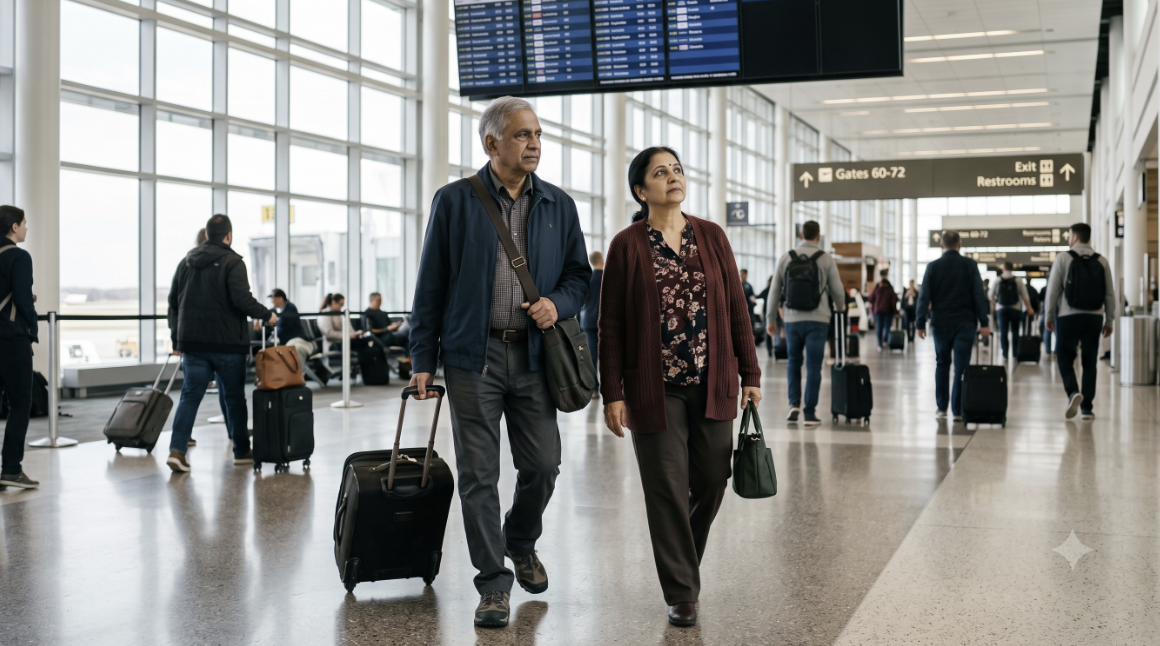
미국 장기 Overstay 후 한국으로 귀국했습니다. 캐나다 가족 방문, 가능할까요?
최근 유진비자이민에 실제로 접수된 상담 문의 중 이런 사안이 있었습니다.
부부가 미국에서 장기간 허가된 체류기간을 초과하여 생활한 뒤 최근 한국으로 귀국했습니다. 현재 한국에는 주거와 금융자산이 있고, 연금과 기타 정기적인 소득도 있습니다.
이번에는 캐나다에 거주하는 가까운 가족을 약 한 달 정도 방문하고 싶습니다.
신청인들이 알고 있는 바로는 미국에서 별도의 출국명령서를 받은 것이 아니라 스스로 미국을 떠났습니다.
이런 경우 캐나다 방문이 가능할까요?
개인정보 보호를 위해 실제 문의의 이름, 나이, 정확한 체류기간, 출국일, 자산 및 소득금액 등은 삭제하거나 일반화하였습니다.
먼저 결론부터: 미국 Overstay만으로 답을 정할 수는 없습니다
미국에서 장기간 Overstay 했다는 이유만으로 캐나다 방문이 반드시 불가능하다고 단정할 수는 없습니다.
반대로 대한민국 여권이니 eTA만 신청하면 별문제 없이 방문할 수 있다고 단정하는 것도 적절하지 않습니다.
이 사건에서는 적어도 다음 네 가지를 따로 살펴봐야 합니다.
- 미국에서 실제로 어떤 Immigration History가 있었는가
- 미국을 떠난 것이 단순 Departure였는가, 정식 Voluntary Departure 또는 Removal과 관련된 절차가 있었는가
- 캐나다 eTA 신청서에서 공개해야 할 과거 이민기록은 무엇인가
- 현재 캐나다 방문이 일시적인 방문이라는 Temporary Intent를 얼마나 일관되게 설명할 수 있는가
핵심은 “미국에 오래 불법체류했으니 캐나다도 안 된다”가 아닙니다. 과거 미국 기록이 정확히 무엇인지와 현재 캐나다 방문 목적을 별도로 분석해야 합니다.
1. 대한민국 여권이라면 항공편 캐나다 방문은 일반적으로 eTA 대상입니다
대한민국 여권은 현재 캐나다의 eTA-required 국가 목록에 포함되어 있습니다.
따라서 대한민국 여권 소지자가 한국에서 항공편으로 캐나다를 방문하는 경우 일반적으로 Visitor Visa(TRV)가 아니라 eTA가 필요합니다. IRCC는 대한민국을 eTA-required 국가 중 하나로 명시하고 있습니다.
하지만 eTA가 비교적 간단한 온라인 신청이라는 사실과 신청인의 Immigration History까지 간단하다는 것은 전혀 다른 문제입니다.
IRCC는 eTA 신청 후에도 추가자료 제출을 요구할 수 있다고 안내하고 있으며, eTA를 보유하고 있다는 사실 자체가 캐나다 입국을 보장하는 것도 아닙니다.
유진비자이민의 방문비자·eTA 관련 검토 범위는 방문비자·임시체류 상담 안내에서도 확인할 수 있습니다.
2. “자진 출국했습니다”라는 말부터 정확히 구분해야 합니다
이런 사건에서 상담 시 가장 먼저 정리해야 할 표현 중 하나가 “자진 출국”입니다.
일상적인 의미의 자진 출국과 미국 이민법에서 사용하는 Voluntary Departure는 동일한 개념이 아닙니다.
단순 Departure
미국에서 특별한 이민법원 명령 없이 본인이 항공권을 구입하여 출국한 경우가 있을 수 있습니다.
Voluntary Departure
미국의 Voluntary Departure는 단순히 “내가 스스로 미국을 나왔다”는 뜻의 일상적인 표현이 아닙니다.
미국 법무부 Executive Office for Immigration Review(EOIR)는 Voluntary Departure를 일정한 이민절차에서 본인의 비용으로 정해진 기간 내에 미국을 출국할 수 있도록 하는 별도의 법적 절차로 설명하고 있습니다.
미국 법무부의 공식 설명은 U.S. Department of Justice EOIR의 Voluntary Departure 안내에서 확인할 수 있습니다.
Removal 또는 Deportation 관련 기록
과거 Immigration Court에 사건이 있었거나 ICE, CBP 또는 다른 미국 이민기관과의 절차가 있었다면 본인이 기억하고 있는 표현과 정부기록의 법적 성격이 다를 수 있습니다.
예를 들어 본인은 “그냥 나왔다”고 기억하더라도 다음 사항이 있었는지를 별도로 확인할 필요가 있습니다.
- Notice to Appear를 받은 적이 있는지
- Immigration Court에 사건이 있었는지
- Removal Order가 있었는지
- Deportation 관련 명령이 있었는지
- 정식 Voluntary Departure를 허가받았는지
- USCIS, ICE 또는 CBP로부터 이민 관련 Notice를 받은 적이 있는지
- 과거 체류연장, 신분변경, 가족초청, 영주권, 망명 등의 신청이 있었는지
따라서 “출국명령서를 가지고 있지 않다”는 사실만으로 공식 기록상 아무 절차도 없었다고 결론 내리기는 어렵습니다.
3. 미국의 장기 Overstay와 캐나다 심사는 같은 법률문제가 아닙니다
미국에서 허가된 체류기간을 넘겨 장기간 체류한 경우 미국 이민법상 Unlawful Presence 및 향후 미국 입국과 관련된 별도의 문제가 발생할 수 있습니다.
USCIS 자료에서도 일정 기간 이상의 unlawful presence 후 출국 또는 removal이 미국의 3-year 또는 10-year inadmissibility 규정과 연결될 수 있음을 설명하고 있습니다. 다만 실제 적용 여부는 개인별 이민기록, unlawful presence의 계산 및 예외 등에 따라 달라질 수 있습니다.
그러나 이것을 곧바로 “미국에서 10년 문제가 있으므로 캐나다도 10년 입국금지”라고 해석해서는 안 됩니다.
미국의 inadmissibility와 캐나다의 admissibility는 서로 다른 국가의 서로 다른 이민법에 따라 판단됩니다.
따라서 이 글에서 미국법상의 정확한 재입국 가능성을 판단하는 것은 아닙니다. 미국에서의 법적 지위와 명령의 성격이 불분명한 경우에는 미국 공식기록 또는 필요한 경우 미국 이민법 전문가를 통해 별도로 확인할 필요가 있습니다.
4. 캐나다와 미국의 Immigration Information Sharing도 고려해야 합니다
과거 미국 기록을 “캐나다에는 모를 것”이라고 전제해서는 안 됩니다.
캐나다와 미국은 Visa and Immigration Information Sharing Agreement를 운영하고 있습니다.
현재 공개된 캐나다 정부 협정은 immigration laws의 집행, visa·travel authorization·admission 등의 심사, admissibility 판단 등을 지원하기 위해 양국 간 이민 관련 정보를 공유하는 체계를 규정하고 있습니다. 이 협정은 2024년 개정되었고 관련 변경은 2025년 1월 17일 발효되었습니다.
공식 협정은 Government of Canada의 Canada–U.S. Visa and Immigration Information Sharing Agreement에서 확인할 수 있습니다.
따라서 과거 미국 이민기록이 있는 사건에서는 “들키지 않을 것인가”가 아니라 “정확한 기록이 무엇이고, 현재 신청서의 질문에 어떻게 사실대로 답해야 하는가”가 출발점이 되어야 합니다.
5. eTA에서는 다른 나라의 거절·입국거부·출국명령 이력을 묻습니다
eTA의 Background Questions도 중요합니다.
현재 캐나다 정부의 eTA 신청 안내는 신청인에게 다음과 같은 과거 기록이 있었는지를 묻습니다.
- 비자 또는 Permit 거절
- 입국 거절
- 캐나다 또는 다른 국가·지역에서 떠나라는 명령을 받은 사실
IRCC가 제공하는 한국어 eTA 안내자료에도 같은 질문이 명시되어 있습니다.
여기에서 중요한 것은 미국에서 단순히 체류기간을 초과했다는 사실과 “ordered to leave”에 해당하는 공식적인 절차가 있었는지를 구분하는 것입니다.
사실관계를 확인하지 않은 상태에서 기억에 의존해 Yes 또는 No를 선택하는 것은 바람직하지 않습니다.
특히 오래전 사건에서는 신청인이 당시 서류의 정확한 이름을 기억하지 못하거나, 가족이나 과거 대리인이 절차를 진행하여 본인이 전체 기록을 알지 못하는 경우도 있습니다.
이와 비슷하게 과거 국경이나 immigration history를 대수롭지 않게 생각했다가 eTA에서 문제가 된 사례는 유진비자이민의 eTA 신청 후 PFL과 과거 국경기록 관련 글에서도 설명하고 있습니다.
eTA에서 가장 위험한 접근은 과거 이력이 있다는 사실 자체보다, 기록의 성격을 확인하지 않은 상태에서 신청인이 임의로 해석해 답변하는 것입니다.
6. 그렇다면 Temporary Intent는 어떻게 보아야 할까요?
이번과 같은 사건에서 또 하나의 중요한 부분은 Temporary Intent입니다.
캐나다 방문자는 자신의 방문이 종료된 후 캐나다를 떠날 것이라는 점을 납득시킬 수 있어야 합니다.
IRCC는 방문자의 기본 요건을 설명하면서 다음과 같은 ties를 명시적으로 언급하고 있습니다.
- 직업
- 주거
- 금융자산
- 가족
- 체류기간 동안 필요한 충분한 자금
- 방문 종료 후 출국할 사정
또한 eTA가 있다고 해서 입국이 자동으로 보장되는 것은 아니며, 실제 입국 시에도 해당 요건을 충족해야 합니다.
과거 미국 Overstay는 왜 중요할까요?
캐나다에서 약 한 달만 머무르고 돌아가겠다고 이야기하는 사람이 과거 다른 국가에서는 매우 장기간 체류기간을 초과한 기록이 있다면, 그 차이를 설명할 필요가 생길 수 있습니다.
단순히 다음과 같이 쓰는 것만으로는 충분한 설명이 되지 않을 수 있습니다.
“이번에는 꼭 돌아오겠습니다.”
중요한 것은 현재의 객관적인 상황입니다.
현재 한국의 주거기반
현재 한국에서 지속적으로 생활하고 있는 주거기반이 있는지 확인할 수 있습니다.
현재의 경제적 기반
금융자산뿐 아니라 정기적인 연금, 사업소득, 근로소득, 이자소득 등 실제 생활을 유지하는 경제적 기반을 살펴볼 수 있습니다.
방문기간
가족방문 목적에 비해 체류기간이 합리적인지도 중요합니다.
방문 후 한국에서 계속될 생활
캐나다 여행을 마친 뒤 한국에서 계속 이어질 주거, 소득, 가족 또는 생활상의 의무가 무엇인지 확인할 수 있습니다.
즉 자산이 많다는 한 가지 사실보다 여러 요소가 서로 일관되게 연결되는지가 중요합니다.
7. 실제 검토에서는 어떤 내용과 자료가 필요할 수 있을까요?
이런 사건의 진행을 검토한다면 일반적인 여권 사본만으로는 충분하지 않을 수 있습니다.
1. 현재 여권과 가능한 경우 구여권
미국 입국 당시 사용한 여권, 비자 또는 입출국 도장이 남아 있다면 과거 이력 확인에 도움이 될 수 있습니다.
2. 최초 미국 입국기록
미국 최초 입국시기, 당시 사용한 비자의 종류 및 허가된 체류기간을 확인합니다.
3. 미국 Overstay의 시작과 경위
언제부터 허가된 체류기간을 초과하게 되었는지, 그 이후 어떠한 신분 관련 신청이 있었는지 확인할 수 있습니다.
4. 과거 미국 이민신청
다음과 같은 신청 여부를 확인할 수 있습니다.
- 체류연장
- Change of Status
- Family Petition
- Adjustment of Status
- Permanent Residence
- Asylum
- 기타 USCIS 신청
5. USCIS·ICE·CBP 관련 자료
과거 미국 정부기관에서 받은 Notice, Decision 또는 출석 관련 서류가 있다면 확인할 필요가 있습니다.
6. Immigration Court 기록
특히 다음 사항이 있었는지를 확인합니다.
- Notice to Appear
- Removal Proceedings
- Removal Order
- Deportation Order
- Voluntary Departure
- Immigration Judge의 결정
7. 미국 출국 및 한국 입국 기록
미국에서 실제로 언제 출국하였고 한국으로 언제 입국했는지를 객관적인 자료로 확인할 수 있습니다.
한국에서는 정부24를 통해 출입국에 관한 사실증명을 발급받을 수 있습니다. 정부24는 이 증명을 출국 또는 입국한 사실을 증명하는 공식 민원서류로 안내하고 있습니다.
공식 안내는 정부24 출입국에 관한 사실증명 안내에서 확인할 수 있습니다.
8. 캐나다 방문 목적
가족방문이라면 다음과 같은 내용을 검토할 수 있습니다.
- 누구를 방문하는지
- 가족관계
- 예정 체류기간
- 숙박 장소
- 여행비용 부담자
- 구체적인 방문 일정
9. 현재 한국 내 생활기반
사건에 따라 다음 자료가 도움이 될 수 있습니다.
- 주거 관련 자료
- 금융자산
- 연금 또는 기타 정기소득
- 소득의 지속성
- 가족관계
- 한국에서 계속 유지되는 생활상의 의무
모든 과거 자료를 가지고 있지 않다고 해서 반드시 진행할 수 없다는 의미는 아닙니다.
다만 어떤 자료가 남아 있는지, 무엇이 불명확한지에 따라 추가적인 기록 확인이 필요할 수 있습니다.
8. Submission Letter 또는 Letter of Explanation은 어떤 역할을 할까요?
복잡한 과거 이력이 있는 경우 설명서한은 단순히 신청인을 좋게 보이도록 만드는 글이 아닙니다.
중요한 것은 사실관계를 구조화하는 것입니다.
예를 들어 다음 흐름으로 정리할 수 있습니다.
Past Immigration History
미국에 언제 어떤 신분으로 입국하였고 이후 어떤 경위로 체류기간을 초과하게 되었는지 정리합니다.
Departure History
미국을 떠난 과정이 단순 Departure인지, 공식적인 이민절차와 관련된 출국인지 확인합니다.
Disclosure
캐나다 신청서의 Background Questions에 해당하는 사실을 정확하게 식별하고 신청서와 Supporting Documents가 서로 모순되지 않는지 확인합니다.
Current Circumstances
현재 한국에서의 주거, 경제적 기반, 정기소득 및 실제 생활상황을 설명합니다.
Purpose of Visit
왜 지금 캐나다를 방문하는지, 왜 예정된 기간이 필요한지, 방문 후 어디로 돌아갈 것인지를 구체화합니다.
설명서한의 목적은 불리한 사실을 없애는 것이 아니라, 사실을 숨기지 않으면서 현재 신청의 맥락을 정확하게 전달하는 것입니다.
9. 기록이 없으면 어떻게 해야 할까요?
오랜 기간 해외에서 생활한 경우 모든 서류를 보관하고 있는 사람은 많지 않습니다.
구여권이 없을 수도 있고, 당시 받은 미국 이민서류를 버렸을 수도 있으며, 정확한 사건명을 기억하지 못할 수도 있습니다.
이 경우에는 먼저 “기억나는 대로 신청서를 작성”하기보다 무엇을 모르는지부터 구분하는 것이 좋습니다.
예를 들어 다음과 같이 나눌 수 있습니다.
확실히 알고 있는 사실
미국 입국시기, 최초 비자, 실제 출국시기 등 비교적 객관적으로 알고 있는 사항입니다.
기억은 있지만 자료가 없는 사실
과거 어떤 신청을 했던 기억은 있으나 서류가 없는 경우입니다.
법적 성격을 모르는 사실
출국 전에 어떤 기관과 접촉했지만 그것이 단순 행정절차인지 Removal Proceedings인지 알지 못하는 경우입니다.
이 세 가지를 구분하면 어떤 기록을 추가로 확인해야 하는지도 보다 명확해집니다.
10. 재산과 연금이 충분하면 승인될까요?
한국에 상당한 자산과 안정적인 연금 또는 기타 정기소득이 있다는 것은 분명 검토할 가치가 있는 요소입니다.
IRCC도 home, financial assets, family 등의 ties를 명시하고 있습니다.
그러나 이것을 단순한 공식처럼 볼 수는 없습니다.
“재산이 많다 = eTA 승인”
“연금이 있다 = Temporary Intent 입증 완료”
이렇게 판단하는 기준은 없습니다.
과거에는 미국에서 장기간 Overstay 했지만 현재는 왜 상황이 달라졌는지, 캐나다에 장기적으로 머물 이유가 있는지 없는지, 한국으로 돌아온 이후 실제 생활기반이 어떻게 형성되었는지 등을 함께 봐야 합니다.
11. 이 사건에서 가장 먼저 확인할 세 가지
복잡해 보이지만 사건을 처음 검토할 때의 순서는 비교적 명확합니다.
첫째: 미국 출국의 법적 성격
단순 Departure인가?
Voluntary Departure인가?
Removal 또는 Deportation 관련 절차가 있었는가?
둘째: 캐나다 신청서 Disclosure
eTA Background Questions에 어떤 답변이 필요한가?
과거 미국 기록과 현재 답변이 서로 일치하는가?
셋째: 현재 Temporary Intent
왜 캐나다에 가는가?
얼마나 머무는가?
왜 여행 후 한국으로 돌아오는가?
그 설명을 뒷받침하는 객관적인 자료가 있는가?
이 세 가지를 먼저 정리한 뒤 필요한 Supporting Documents와 설명방식을 결정하는 것이 순서입니다.
최종 정리
미국에서 장기간 Overstay한 기록이 있다고 해서 캐나다 방문이 자동으로 불가능하다고 볼 수는 없습니다.
하지만 일반적인 eTA 사건과 동일하게 취급해서도 안 됩니다.
특히 다음 부분을 먼저 확인하는 것이 중요합니다.
- 미국에서의 정확한 Immigration History
- 단순 Departure와 Voluntary Departure 또는 Removal의 구분
- 캐나다 eTA Background Questions에 대한 정확한 Disclosure
- Canada–U.S. immigration information sharing 가능성
- 현재 한국의 주거 및 경제적 기반
- 가족방문의 구체적인 목적과 기간
- 방문 후 한국으로 돌아올 Temporary Intent
- 과거 기록과 현재 신청서 사이의 일관성
과거 기록이 복잡할수록 신청서에 좋은 표현을 많이 넣는 것보다 먼저 사실관계를 정확하게 정리하는 것이 중요할 수 있습니다.
유진비자이민은 방문비자 및 eTA 사건에서 방문 목적, Travel History와 Immigration History, 귀국 기반, Supporting Documents 및 필요한 설명자료를 개별 사실관계에 따라 검토합니다.
※ 본 글은 실제 상담 문의에서 제기된 법률적·실무적 질문을 개인정보가 식별되지 않도록 일반화하여 설명한 전문 칼럼입니다. 개별 신청의 승인 여부를 보장하거나 특정인의 사건 결과를 설명하는 글이 아니며, 필요한 절차와 자료는 개인의 실제 이민기록에 따라 달라질 수 있습니다.
Can You Visit Canada After a Long U.S. Overstay and Returning Home?
A recent inquiry to Yujin Visa Immigration raised a difficult but important question.
A couple had lived in the United States for an extended period after their authorized stay had expired. They later returned to their home country and re-established their lives there.
They now have housing, financial assets and recurring retirement or other income at home. They would like to make a temporary visit to Canada to see close family for approximately one month.
As far as they understand, they left the United States on their own and did not receive a formal removal document.
Can they visit Canada?
This article is based on an actual inquiry, but identifying information—including names, ages, exact dates, length of overstay, financial amounts and other personal details—has been removed or generalized.
The Starting Point: A U.S. Overstay Does Not Answer the Canadian Question by Itself
A lengthy U.S. overstay does not, by itself, allow us to conclude that the individual can never visit Canada.
At the same time, it would be inappropriate to assume that the matter is routine simply because the traveller holds a passport that normally requires only an eTA for air travel to Canada.
At least four separate issues may need to be examined:
- What actually occurred in the person’s U.S. immigration history?
- Was the departure simply a departure, or was it connected to formal Voluntary Departure, Removal or other proceedings?
- What past immigration history must be disclosed in the Canadian eTA process?
- Can the traveller credibly establish a genuine Temporary Intent in light of the past history?
The question is not simply whether the person once overstayed in the United States. The legal nature of the past record and the circumstances of the proposed Canadian visit must be examined separately.
1. Korean Passport Holders Generally Require an eTA for Air Travel to Canada
The Republic of Korea is currently included among Canada’s eTA-required countries.
Accordingly, a person travelling to Canada by air on a valid Republic of Korea passport generally requires an Electronic Travel Authorization rather than a Temporary Resident Visa.
However, the fact that an eTA application is relatively short does not mean that every applicant has a simple immigration history.
IRCC may request additional documents before deciding an eTA application, and possession of an eTA does not itself guarantee admission at the Canadian border.
Yujin Visa Immigration’s review areas for visitor and eTA matters are outlined on the Visitor Visa and Temporary Residence service page.
2. “I Left Voluntarily” May Mean Different Things
One of the first expressions that must be clarified in cases like this is “I voluntarily left the United States.”
In everyday conversation, a person may simply mean that they purchased a ticket and left the United States without being physically removed.
That is not necessarily the same thing as Voluntary Departure under U.S. immigration law.
A Simple Departure
There may have been no immigration court order at all, and the person may simply have left the United States.
Formal Voluntary Departure
The U.S. Department of Justice’s Executive Office for Immigration Review explains Voluntary Departure as a specific form of immigration relief that allows an individual, in qualifying circumstances, to leave the United States at their own expense within a prescribed period rather than leave under a removal order.
The U.S. government’s materials are available through the U.S. Department of Justice EOIR Voluntary Departure resources.
Removal or Deportation History
There may also have been Immigration Court proceedings, a Removal Order, prior interaction with ICE or CBP, or another formal process.
For that reason, the absence of a document currently in the traveller’s possession does not necessarily establish that no formal U.S. immigration proceeding ever existed.
Questions may include:
- Was a Notice to Appear ever issued?
- Was there an Immigration Court case?
- Was there a Removal Order?
- Was Voluntary Departure formally granted?
- Were documents received from USCIS, ICE or CBP?
- Were any immigration applications filed while the person remained in the United States?
The objective is to identify what actually happened rather than assign a legal label based only on memory.
3. U.S. Unlawful Presence and Canadian Admissibility Are Different Legal Questions
A lengthy period of unauthorized stay in the United States can have consequences under U.S. immigration law.
USCIS guidance addresses U.S. inadmissibility rules associated with periods of unlawful presence and subsequent departure or removal, including the statutory three-year and ten-year periods in applicable cases. The precise application of those provisions depends on the individual’s actual record and applicable exceptions.
That does not mean that a U.S. ten-year inadmissibility period automatically becomes a Canadian ten-year ban.
The United States and Canada apply different immigration statutes and different grounds of inadmissibility.
This article therefore does not determine whether a particular person may re-enter the United States. If the legal nature of the U.S. record is unclear, U.S. records or appropriate U.S. immigration-law advice may be required.
4. Canada and the United States Share Immigration Information
An applicant should not prepare a Canadian application on the assumption that a past U.S. immigration record will remain unknown to Canadian authorities.
Canada and the United States operate under a Visa and Immigration Information Sharing Agreement.
The current Government of Canada text provides for immigration-related information sharing to assist with the administration and enforcement of immigration laws, including visa, travel authorization, admission and admissibility determinations. The agreement was amended in 2024, with related changes taking effect on January 17, 2025.
The official agreement is available from the Government of Canada — Canada–U.S. Visa and Immigration Information Sharing Agreement.
The appropriate approach is therefore not to ask whether the record can remain undiscovered.
The appropriate questions are:
What is the record?
What does the Canadian application ask?
How should the applicant answer accurately and consistently?
5. The eTA Application Asks About Immigration Decisions in Other Countries
The eTA background section is particularly relevant.
IRCC’s current eTA guidance asks whether the applicant has ever:
- been refused a visa or permit,
- been denied entry, or
- been ordered to leave Canada or another country or territory.
IRCC’s Korean-language eTA guidance contains the same background question.
This makes the legal characterization of the past U.S. event important.
A lengthy overstay and a formal order to leave are not automatically the same fact.
An applicant should therefore avoid guessing whether a past event falls within a particular application question without first understanding what occurred.
This is especially important when the event happened many years ago, when records are missing, or when a previous representative or family member handled the immigration process.
A related Yujin Visa Immigration article, eTA PFL After a Past Border Issue: Why Earlier Immigration Records Matter, discusses why seemingly minor historical immigration events can become important in a later eTA application.
In a complex eTA case, the greater risk may not be the existence of an old immigration event itself, but answering a current application without first understanding what that event actually was.
6. Temporary Intent Becomes a Central Issue
A Canadian visitor must satisfy the temporary residence requirements applicable to the visit.
IRCC expressly identifies ties such as employment, a home, financial assets and family, as well as sufficient funds and an intention to leave Canada at the end of the authorized stay.
For someone with a lengthy overstay in another country, this can raise a practical question.
Why should the Canadian authorities be satisfied that this visit will be temporary when the applicant previously remained beyond authorized status elsewhere for a very long period?
The answer should normally come from present-day facts rather than promises.
Current Residence
Has the person genuinely re-established a home and ordinary life in the country of residence?
Financial Position
Are there recurring pensions, employment income, business income, investments or other sustainable sources of income?
Duration of the Canadian Visit
Is the proposed length of stay reasonable in light of the actual family-visit purpose?
Life After the Trip
What continuing personal, financial or family circumstances require the traveller to return after the visit?
A significant bank balance may help, but it should not be treated as a substitute for the complete Temporary Intent analysis.
7. What Information and Documents May Need to Be Reviewed?
A complex immigration-history matter may require more than a copy of the current passport.
1. Current and Previous Passports
Old passports may contain the visa, admission stamps or other information relevant to the U.S. stay.
2. Initial U.S. Admission
The date of initial admission, visa classification and original authorized period of stay may need to be established.
3. Beginning and Circumstances of the Overstay
It may be necessary to identify when authorized status ended and what occurred afterward.
4. Prior U.S. Immigration Applications
Relevant filings may include:
- extension of stay,
- change of status,
- family petitions,
- adjustment of status,
- permanent residence applications,
- asylum,
- other USCIS filings.
5. USCIS, ICE or CBP Documents
Notices, decisions or other immigration records may help establish what occurred.
6. Immigration Court Records
Particular attention may be given to whether there was:
- a Notice to Appear,
- Removal Proceedings,
- a Removal Order,
- a Deportation Order,
- Voluntary Departure,
- an Immigration Judge decision.
7. Evidence of Departure and Return Home
The actual U.S. departure and subsequent entry into the current country of residence may be relevant.
In Korea, an individual may obtain an official Certificate of Entry and Departure through Government24. The service is described by the Korean government as official certification of a person’s entry and departure history.
The government service is available through Government24 — Certificate of Entry and Departure.
8. Canadian Visit Purpose
For a family visit, relevant information may include:
- the family relationship,
- proposed duration,
- accommodation,
- who will pay the expenses,
- the intended itinerary.
9. Current Home-Country Ties
Depending on the case, this may include:
- housing,
- financial assets,
- pension or recurring income,
- family circumstances,
- ongoing obligations and ordinary life after the trip.
Not possessing every historical document does not automatically mean that a case cannot proceed.
It may, however, affect what additional record review is necessary.
8. The Role of a Submission Letter or Letter of Explanation
In a complicated immigration-history case, a Submission Letter or Letter of Explanation should not simply present the applicant in favourable language.
Its function may be to organize the relevant facts.
Past Immigration History
When did the U.S. stay begin, under what status, and what occurred after authorized status ended?
Departure History
Was the departure a simple departure, or was it connected to formal proceedings?
Disclosure
Which facts fall within the Canadian application questions, and are the forms and supporting evidence consistent?
Current Circumstances
What has changed since the historical U.S. overstay?
Where does the applicant now live, and what financial and personal circumstances exist there?
Purpose of Visit
Why is the Canadian visit occurring now?
Why is the proposed duration reasonable?
Why will the applicant return afterward?
The purpose of an explanation is not to erase an adverse historical fact.
It is to disclose and explain relevant facts accurately, coherently and in the context of the current application.
9. What If the Old Records Are Missing?
Many people who lived abroad for a long time no longer have every historical document.
An old passport may be missing.
Past immigration notices may have been discarded.
The applicant may remember attending an appointment but not know the legal name of the proceeding.
In such situations, it is often useful to separate the information into three categories.
Facts That Are Known
For example, the approximate admission period, visa category and actual departure.
Facts Remembered but Not Documented
The applicant remembers filing something or attending an immigration appointment but no longer has the paperwork.
Events Whose Legal Meaning Is Unknown
The applicant remembers contact with an immigration agency but does not know whether it was merely administrative or part of formal removal proceedings.
Once these categories are separated, it becomes easier to determine what additional records may be necessary before preparing the Canadian application.
10. Are Assets and Pension Income Enough?
Substantial assets and reliable pension or other recurring income can be relevant.
IRCC expressly identifies a home, financial assets and family among the types of ties that may support the expectation that a visitor will return home.
However, there is no formula such as:
“High assets = eTA approval.”
Nor does the existence of pension income automatically establish Temporary Intent.
The analysis remains contextual.
If the applicant previously remained in another country far beyond authorized status, the present application may need to demonstrate why the current circumstances are materially different and why this particular Canadian visit is genuinely temporary.
11. Three Questions to Address First
Despite the complexity of these cases, the initial review can be organized around three questions.
First: What Was the Legal Nature of the U.S. Departure?
Was it a simple departure?
Formal Voluntary Departure?
A departure connected to Removal or Deportation proceedings?
Second: What Must Be Disclosed to Canada?
How should the eTA background questions be answered?
Are the answers consistent with the available U.S. immigration record?
Third: What Establishes Current Temporary Intent?
Why is the person visiting Canada?
How long will the person stay?
Why will the person return home?
What objective evidence supports those facts?
Only after these issues are clarified does it make sense to determine the supporting-document and explanation strategy.
Final Takeaway
A lengthy U.S. overstay does not automatically establish that a person can never visit Canada.
It also should not be treated as an ordinary eTA matter without reviewing the history.
The important issues may include:
- the precise U.S. Immigration History,
- the difference between a simple Departure and formal Voluntary Departure or Removal,
- accurate disclosure in the Canadian eTA application,
- Canada–U.S. immigration information sharing,
- current home-country residence and financial ties,
- the specific purpose and duration of the Canadian visit,
- credible Temporary Intent,
- consistency between historical records and the current application.
Where an old immigration history is complicated, determining the facts may be more important than drafting persuasive language too early.
Yujin Visa Immigration reviews visitor and eTA matters in light of the purpose of travel, Travel History, Immigration History, ties to the country of residence, Supporting Documents and any explanation required by the individual facts.
This article is based on a real consultation inquiry but has been generalized to protect personal information. It provides general Canadian immigration information only and does not guarantee the outcome of any individual application. The appropriate process and documents will depend on the applicant’s actual immigration history.